
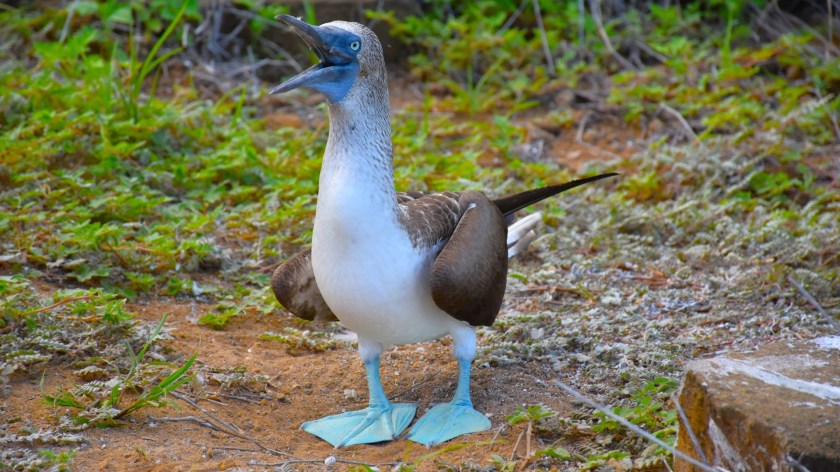
Inspiration is all around us, within our homes and throughout our vast, amazing world. Case in point: the featured image comes from my once-in-a-lifetime trip to the Galapagos, and I can testify that Blue Footed Boobies were the goofiest looking, most captivating, and awe-inspiring birds I’ve ever seen. Yes, animals and nature fire up my creativity, but family, historical and current events, mythology, and on occasion, my wild and crazy dreams, all provide fodder for my stories.
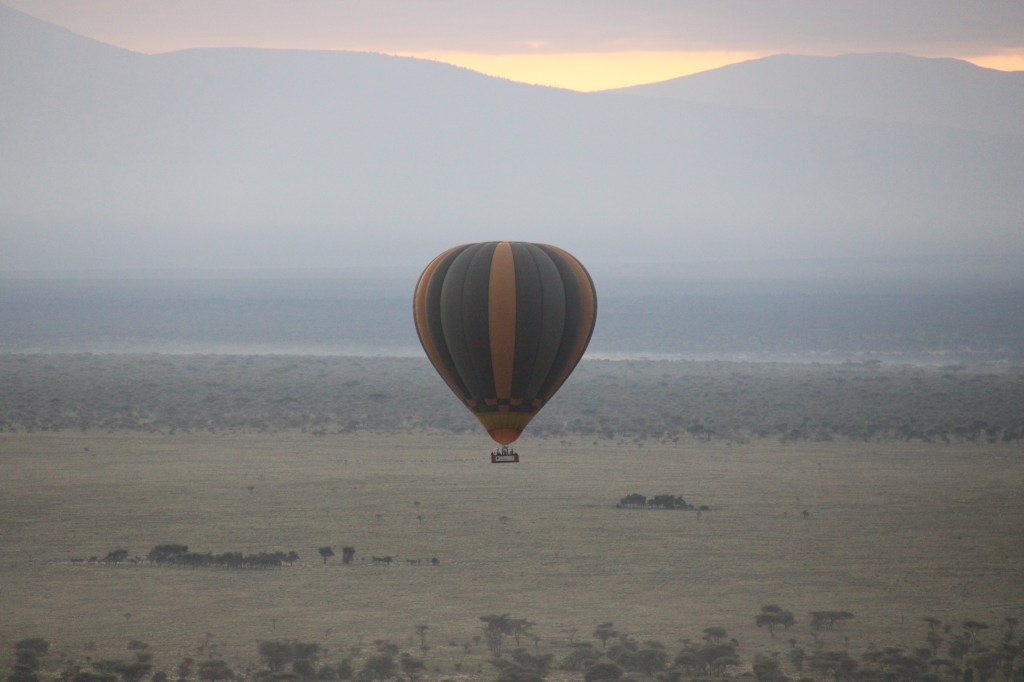
So you may find it curious that the only times my critique partners have remarked, “No Way! That’s not possible!” are when I’ve portrayed the EXACT details of events from my childhood. And I know, from many critique meetings over the years, that others have experienced the same sticky issue.
I considered giving advice on how to handle this, but honestly, so much depends on what type of story you’re writing, how many people share the same opinion, whether your critique buddies relate to or understand your identity and background, and how open you are to receiving honest critiques from other writers. Because of those variables and more, I decided instead to share two of my “Truth is Stranger than Fiction” examples – along with my (regrettable) immediate and (thoughtful) longer term reactions to the comments I received – in hopes that they will entertain you – as well as inspire you to ponder your own responses if/when you find your truth-inspired plot points challenged.
EXAMPLE #1:
THE STICKY DETAIL: The plot of my MG novel hinged on my belief that Concert Band begins in 6th grade. This was true for my oboe-playing self growing up in a small Connecticut town, and also for my trumpet-playing son (now 21), growing up in a large Massachusetts town. So imagine how I felt when one member of my critique group had a rather strenuous objection to the veracity of this detail.
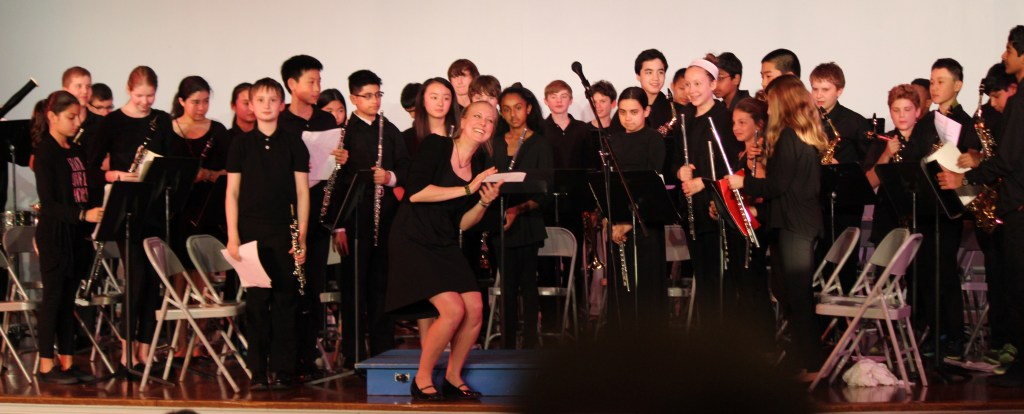
MY IMMEDIATE REACTION: I blurted out, burning with self-righteousness, “But that’s how it really happened!” After my outburst, I sheepishly acknowledged that commitments to music programs must vary between towns. But I couldn’t stop thinking: even though only one person objected, could this sticky issue derail my entire story?
THE DEEP DIVE: Lo and behold, I discovered that in recent years, our local schools have enjoyed the opportunity to start band and orchestra in earlier grades. Yes, my MG story as originally conceived was indeed derailed.
AFTER THE DUST SETTLED: Eventually, I changed the story concept from MG to YA and kept only my intimate knowledge of the oboe intact. I forced myself to acknowledge that over time, things change, including the cost of those finicky double reeds. As I intend for this novel to be realistic and contemporary, it’s critical that I keep a finger on the ever-changing pulse.
EXAMPLE #2:
THE STICKY DETAIL: At my first and last piano recital in 5th grade, I endured an evaluation by a boisterous and dramatic German conductor – whose presence on the Hartt School stage was an “unexpected treat!” according to the star-struck MC. Though my hands were shaking, I began to play forte, loud enough for the entire audience to hear. But less than halfway through, the conductor barked “You’re playing march of giants!” and stomped across the stage. As I blinked back tears, he began to prance, yelling, “This is supposed to be Elfin Dance! Tiny elves! Start from the beginning!” Somehow, I hit the right notes, pianissimo. But I can assure you that afterward, I flew off the stage, a teary wreck. As an adult, I reflected on how this mortifying experience infected my life. Wishing to help young children embrace situations such as these, I felt inspired to write a picture book.
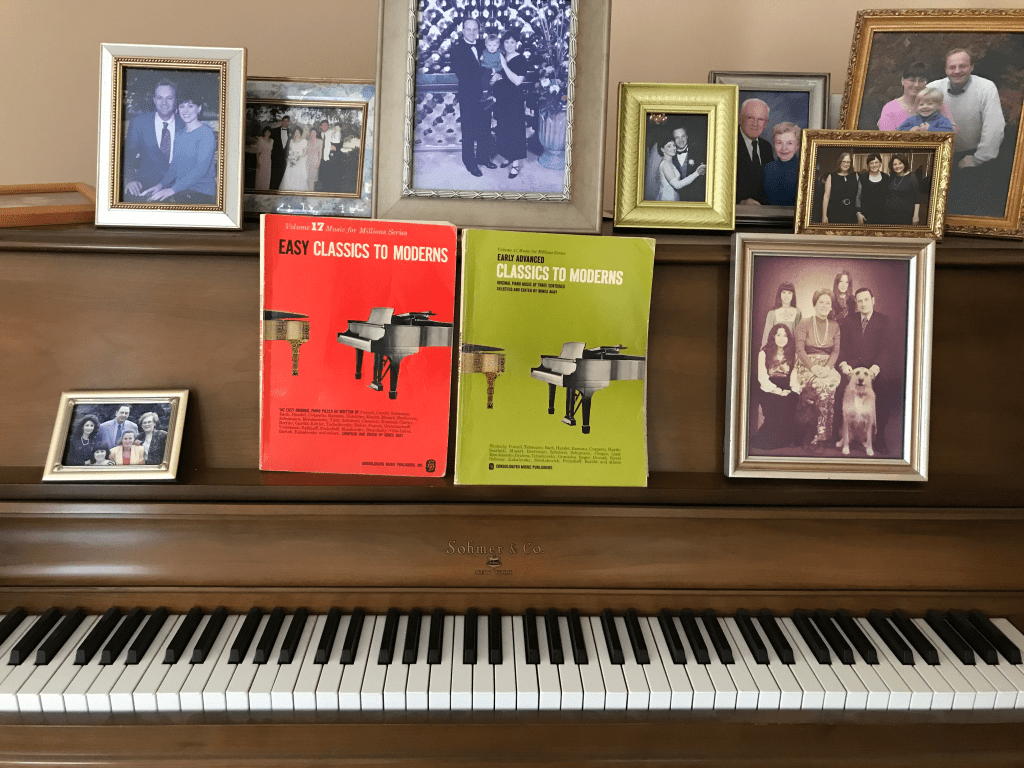
MY IMMEDIATE REACTION: When I heard, “That can’t possibly be true,” I didn’t blurt anything out (not that I remember, anyway.) But when revision ideas were shared, I felt too numb to listen properly.
THE COLD, HARD TRUTH: This was definitely a “Truth is Stranger than Fiction” moment of my life, a cold, hard introduction to an overly harsh, very public critique. Over time, after numerous rewrites, I decided that my experience doesn’t fit easily into a picture book – at least, not how it’s tattooed to my brain.
AFTER THE DUST SETTLED: While I acknowledge this story could be changed in countless ways, I haven’t felt inspired to reimagine it. I appreciate hearing the cold, hard truth about my work, even when it hurts.
How we each respond, during a critique and after the dust settles is up to each of us and the type of story we’re writing. Should you find yourself getting the “No way! ” comment, whether it stems from your real life experience or any plot point you’re deeply committed to, here are five questions to ask yourself as you ponder your next creative move.
1.) Is the questioned plot point the heart of your entire story or a minor detail?
2.) How many individuals had the same reaction? One dissenter or many?
3.) Is your story meant to mirror real life? Or is it meant to be wild, crazy, and magical? Or some combination of the two? For more on this, I highly recommend you read Marti Johnson’s April 16th post, Fiction isn’t Fact, Right?
4.) Who is your intended audience? If you’re aiming for realism, should you seek sensitivity readers?
5.) Are you writing non-fiction? There are countless examples where truth HAS proven to be stranger than fiction!
I hope my experiences and/or questions helped you – or at least made you think, “Phew! I’m glad this never happened to me!” I would love to hear your thoughts, and if you’re willing, your own sticky details and immediate and longer term reactions!
(P.S. All the photos in this post are my own, which seemed fitting for a post about the wild and crazy truth!)

 WRITERS' RUMPUS
Love your photographs, Laura, and especially that adorable bird! I’ve been thinking about critique styles a lot lately and I appreciate you sharing your personal experiences.
LikeLiked by 1 person
Sometimes you need to write if from the heart and damn the editors. Maybe, in that way poetry has its advantages over prose.
LikeLiked by 1 person
I love getting critiques that give me the cold hard truth and figuring out what to use and what to toss.
The Galapagos is on my bucket list. I’m so glad you were able to experience it. I get so many story ideas from my travels.
LikeLiked by 1 person
Thank you, Deborah! The Galápagos Islands were beyond my wildest dreams. Truly inspiring!!
LikeLike
Thanks for a great post, Laura! Reality is different for different people, and yes some true things are hard to believe!
LikeLiked by 1 person
Ain’t that the truth! Thanks for commenting, Marianne!
LikeLike
Several years ago, at a critique group meeting, my story was being critiqued. I had written in my MG chapter that a librarian had shushed the kids. A handful of critiquers said that would never happen these days. Ok, I had to admit I am old. But at the very end of the meeting, we critiquers were whooping it up. The librarian poked her head into the room and asked us to be quiet. I learned from this experience that there is no right or wrong. I can go with one idea or another and it is all right. I think there are lots of people with sad music experiences and they hurt. A story that helps a child work with criticism of something that is expressed from his heart is a good thing, especially if the author has experienced it herself.
LikeLiked by 3 people
Thanks for sharing your “Truth is Stranger than Fiction” story. It’s so funny that the librarian had to shush the unruly group of adult writers!
LikeLike
I love this post! I once took a creative writing course and wrote a story based on my journal entries and no one believed it could be possible! lol. So funny! I guess fiction has to be more realistic than life 🙂
LikeLiked by 2 people
Thank you for sharing your “Truth is Stranger Than Fiction” story!
LikeLike
I once had an editor tell me to be careful about writing truths…
LikeLiked by 1 person
Thank you for sharing your experience!
LikeLiked by 1 person
I think this is so true that real-life details do tend to be the very ones that get questioned for credibility. I’ve experienced it myself in critiques, and in also read where Jennifer Weiner went through this with an editor. It can make us defensive when our own reality is questioned.
LikeLiked by 1 person
Yes! I’ll have to check out Jennifer Weiner’s experience.
LikeLike
We were in Galapagos last summer – completely true! the longer I research NF the stranger the natural world gets!
LikeLiked by 1 person
Wasn’t the Galapagos amazing?!? I’m so glad you also got to experience these unique and unforgettable islands.
LikeLike
‘No Way! Great post, Laura. I, too, have had many real life experiences challenged when I’ve tried to incorporate them in my writing. It serves to prove that we are all individuals writing for a larger population who don’t share our unique POV/perspective.
LikeLiked by 1 person
Alas, so very true. Thank you for commenting!
LikeLike