

In a world beset by anger and fear, what does it mean to protect one’s home and family? So starts the publisher’s description about one of the most important books releasing this month. Written for the young adult market, Go Home is equally interesting for middle school readers and adults of all ages. We’re fortunate to have Terry Farish on the blog today. Terry has written many award-winning books from picture books to young adult novels. Let’s get right to my questions, so we can learn more about her and how her latest book came about.
“Go home is one of the bravest books I’ve read. This is a book for this exact moment.” –Kirsten Cappy, I’m Your Neighbor Books
Marcia Strykowski: Do you remember what you were doing or where you were when the first inkling of the wonderful themes in Go Home inspired you?
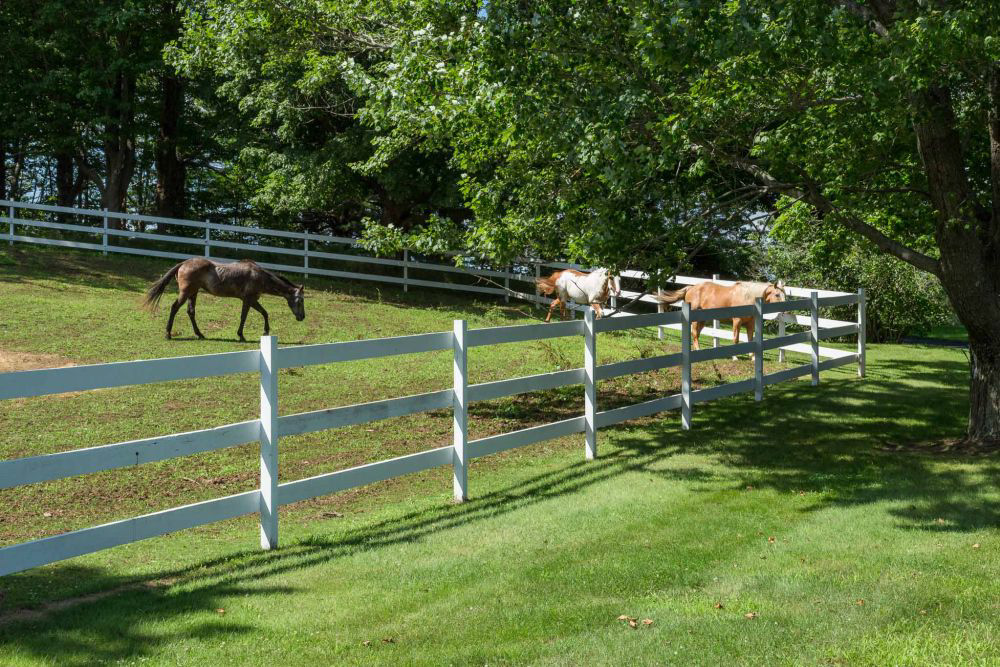
Terry Farish: I had worked with Bhutanese-Nepali families in the past so I had an understanding of their journey story. But I wasn’t thinking about writing about their experience. I was going to write an historical novel about my mother as a girl. My mother studied at Cushing Academy in Ashburnham, Massachusetts during World War II. I have many of her mementos and journals from her school days. I went to Ashburnham to tour the school. I wanted to see her dorm hall where she slept and find more documents about her life in the year she graduated, 1943. I did see some old buildings that helped me imagine. But I found something else. In one building was a portrait of a student who came to study at Cushing when he was the Prince of Bhutan, Jigme Khesar Namgyel Wangchuck.* There he was, the Prince of Bhutan, in my mother’s possible old dining hall. I felt somehow personally connected to this long story of the Bhutanese Nepali people, many of whom now found themselves in New Hampshire. I’m fascinated by the ways that people over continents and time are possibly connected and here was one way, through my mother. She was there in 1943 and the prince was there in 1999. But it felt like connecting to something that had been part of my mother. I didn’t end up writing about World War II, though I wrote a draft in which there was an historical connection between 1943 and today. I liked that draft but I didn’t develop it. I started anew. *The Prince of Bhutan from 1999 is now the nation’s King.
MS: Wow, what a fun and fascinating connection! You worked with a young cowriter on this book, Lochan Sharma. Tell us about him. Did you each take on a character or perhaps he provided feedback on parts of your story for authenticity? Did any unexpected situations or surprises crop up while working together?
TF: At first, working on the novel with Lochan was a little like Lochan was saying: how am I going to fit this book in my life? He’s a college student. He had finals. He was learning German. He was in advanced placement math classes. His focus was on gaining the knowledge he needs to eventually become a physician. But in our long conversations, I saw more than the disciplined student. He told me things that showed how close he and his family members are with one another and extended family. He said he’d only been separated from his sister one time, when he went on a field trip to Washington. D.C. But they talked on the phone every day more than once. For a while his uncle—his father’s brother—lived with his family. And when his uncle moved to a new city, Lochan missed his presence very much. Lochan’s sister’s name is Lochana.
Lochan searched for a word for what the closeness of family meant to him. He said simply, “It’s a comfort. People together.” We learned a lot just in our conversations with each other. When it was time to create authentic dialogue and relationships for Samir in the novel, we used this grounding in Lochan’s own life.

MS: Do you tend to start with character, plot arc, or with ideas that concern your central characters? Do you outline or just wing it?
TF: I do start with character. I write sketches and scenes of the possible story and the place where they are. When I hear the character’s voice that helps me discover who they are. Then I can create the plot. You can imagine, this requires a lot of rewriting with all the moving parts. I kind of enjoy the discovery of what the story is.
“Olive is forced to re-evaluate her future… in a compelling character arc. Meaty and complex.” — Kirkus Reviews
MS: Go Home has alternating viewpoint chapters and you did a wonderful job keeping each of your main characters’ voices unique. Was this tricky to do?
TF: In co-writing, you and your co-writer are each other’s source. Lochan was the guide to establish the relationship among Nepali family members. For instance, in a scene with Samir and his father, Lochan knew the words they would speak to each other. He knew how a father would demand certain behaviors and how a son would often defer. In capturing the family dynamics in a Nepali family that was true for Lochan’s own family, we could individualize the voices in the alternating chapters.
I love dialogue, and finding a character’s individual voice helps me know the character more deeply and that helps me figure out the plot. I was responsible for showing Lochan how a New Hampshire boy, Gabe, could have a very different relationship from Samir’s with his father. Gabe’s relationship with his father would leave Samir baffled and distanced which was a part of the plot. Understanding Gabe helped Lochan think about how Samir would respond to Gabe.
MS: I know you have written a lot of successful books before this one, but it sometimes still takes much effort to find a publishing home. Do you want to share your journey in doing so for Go Home?
TF: I had published a picture book, A Feast for Joseph, with Groundwood Books a year before seeking a home for Go Home. The fiction editor at Groundwood, Shelley Tanaka, had shown me an example of a very differently conceived co-written book. She also said she’d take a look at what became Go Home after we had a draft of the book in its co-written form. We were ecstatic when Groundwood accepted it and we had the chance to work with Shelley.
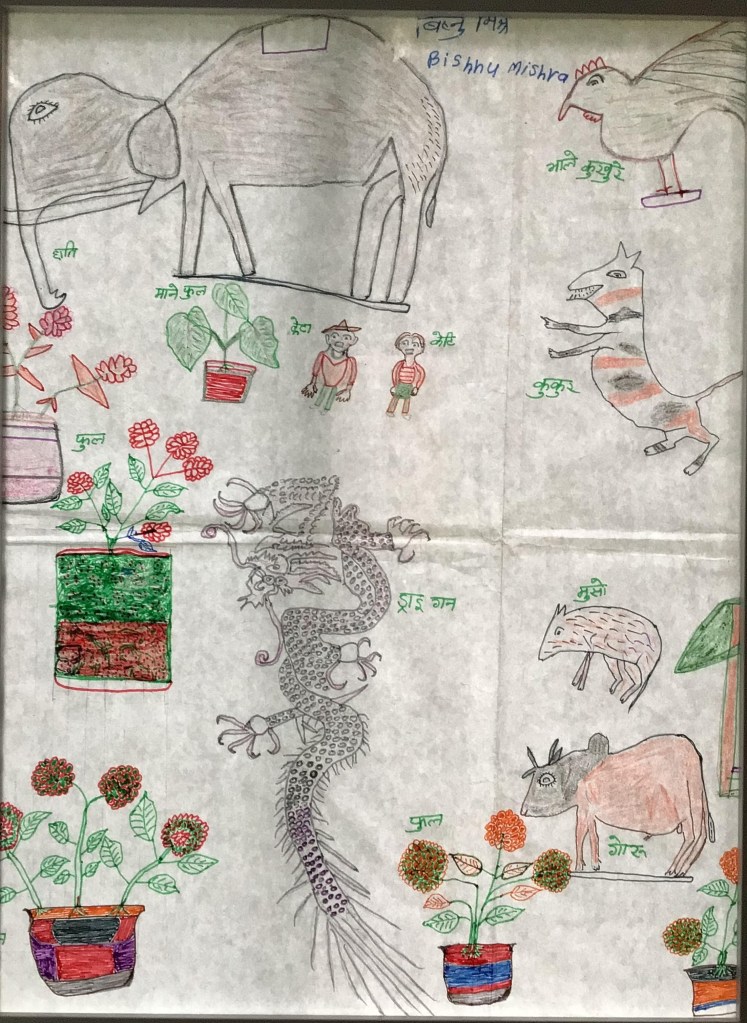
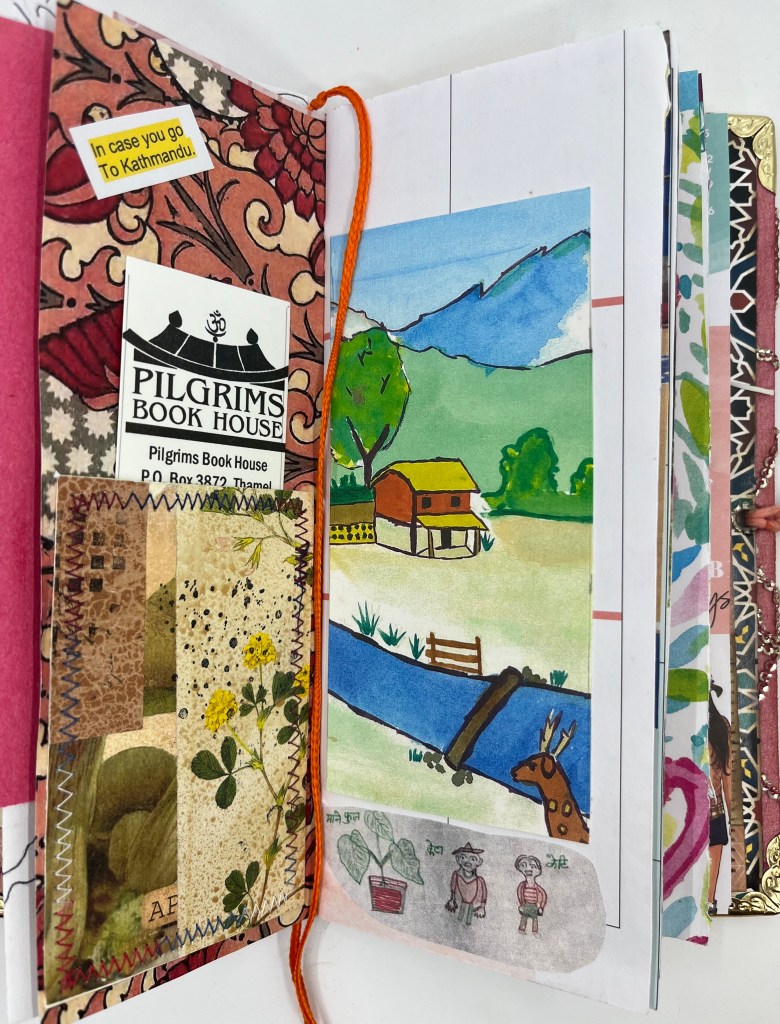
The picture above left is from a scrapbook the authors created for their editor about the editing process. On the bottom right is a small drawing of a couple beneath a drawing of a Nepali house. They are overlaid on images of New Hampshire where the people have come. The small drawings of people are by Lochan and Lochana’s grandfather, Bishnu.
MS: Do you feel equally close to all three characters in Go Home or do you connect with one more than the others?
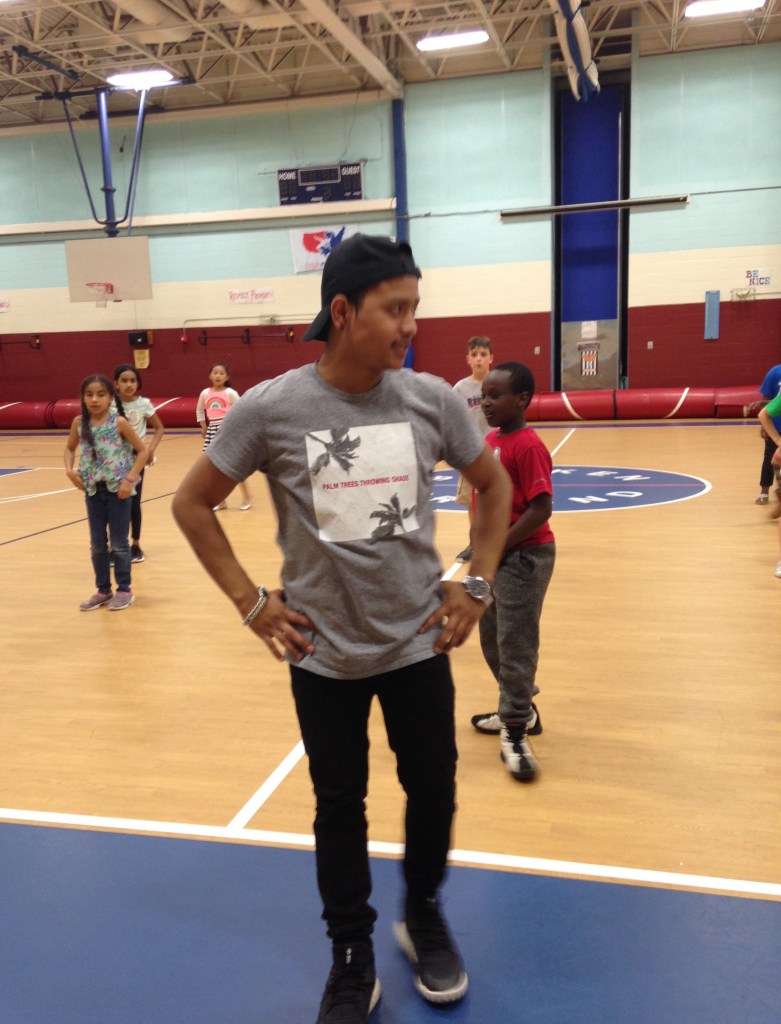
TF: That’s such a good question. Samir came first. I had met a Bhutanese Nepali dancer in Manchester, Tej Nepal. I loved the whole world of dance that he told me about in Pathri refugee camp in Nepal where he had lived. Tej brought his skill of teaching dance to New Hampshire. The character Samir, also a dancer, was everything to me. Later, Olive was most important to me, when Lochan and I began to tell the current story in two voices, the Nepal-born boy, the New Hampshire-born girl. I thought she was brave, braver than me, to make the choice she makes when she’s only 16. But now I see the characters differently. I begin to see how complicated and interesting Gabe is. He may be the most interesting character to follow in his life. He wants to go to college. I wonder if he will, and how that will shape his feeling of belonging or not belonging in his country.

Terry, thank you so much for your thoughtful answers to my questions. I have just finished reading Go Home and I not only loved it, but I know I will think about the characters for a long time. Hearing the story behind your story is fascinating, so many intersecting people and thoughts behind your sensitive portrayal of these believable characters. It’s like you’ve peeled away the top layers and shown how much more alike people are than any differences they may have. Go Home brings hope for a connection between people of different backgrounds. People who might someday be friends. I’m hoping everyone will get to experience this powerful book, enough to ask big questions of themselves and each other. Questions similar to those that surface in the book, such as: What would you do for your family, how far would you go?
Terry’s Website. Follow Terry on Instagram. Buy GO HOME here or any fine bookstores.
“Beautiful and powerful! Highly recommended.” —Margarita Engle, Newbery Honor winning author of The Surrender Tree.
“Go Home gives humanity to all of those involved in the protracted debate over immigration.” —Lyn Miller Lachmann, author of LA Times Best Book of the Year, Torch.
 WRITERS' RUMPUS
Putting this book on my reading list! Thanks for sharing.
LikeLike
You’re welcome, happy reading!
LikeLike