
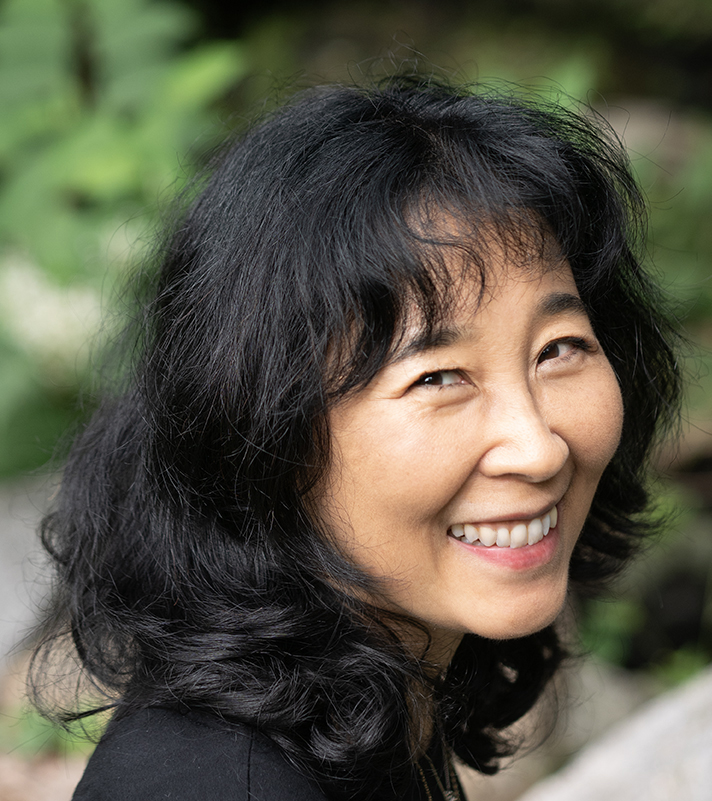
CAROL GORDON EKSTER: I met Melissa Iwai at Kindling Words East. She’s a fabulous #kidlit creative, gifted with beautiful writing and illustration talents. I’m so happy to showcase her work here.
Melissa, what brought you to enter the world of writing and illustrating picture books?
MELISSA IWAI: I’ve always wanted to write and illustrate picture books from the time I was a child. I loved reading and exploring the worlds found in my books. I started making my own mini books when I was about six, and I drew many comics.
As a young adult, I lost confidence that I could make money with my art. After submitting my story one time to a publisher and getting rejected, I decided I should pursue a more realistic path. That led me to languages and linguistics in college, and that became my focus for the next ten years.
By the time I was a doctoral candidate in Linguistics, I realized I still wanted to pursue the dream of creating children’s books – that it had never left me. I dropped out of my graduate program at Stanford and went to art school. Everyone thought I had lost my mind, but I was the happiest I had been in a long time. At Art Center, I could see a viable path to entering publishing as an illustrator, and that is what I focused on. One of my mentors was the author/illustrator Marla Frazee. When I graduated and moved to NYC to start my career, she gave me the name of an artist rep. I signed with that rep, Chris Tugeau of the Cat Agency, and she got me my first trade book in 2000. Since then, I have illustrated over forty picture books and have written nine. I am fortunate to still be with the same agency! My wonderful agent, Christy Ewers, is Chris’ daughter who took over the business in 2018 when her mom retired.
CGE: Tell us about the story behind the story of your newest book that came out May 2026 with Norton Young Readers, A Garden for Lili, that you both wrote and illustrated.
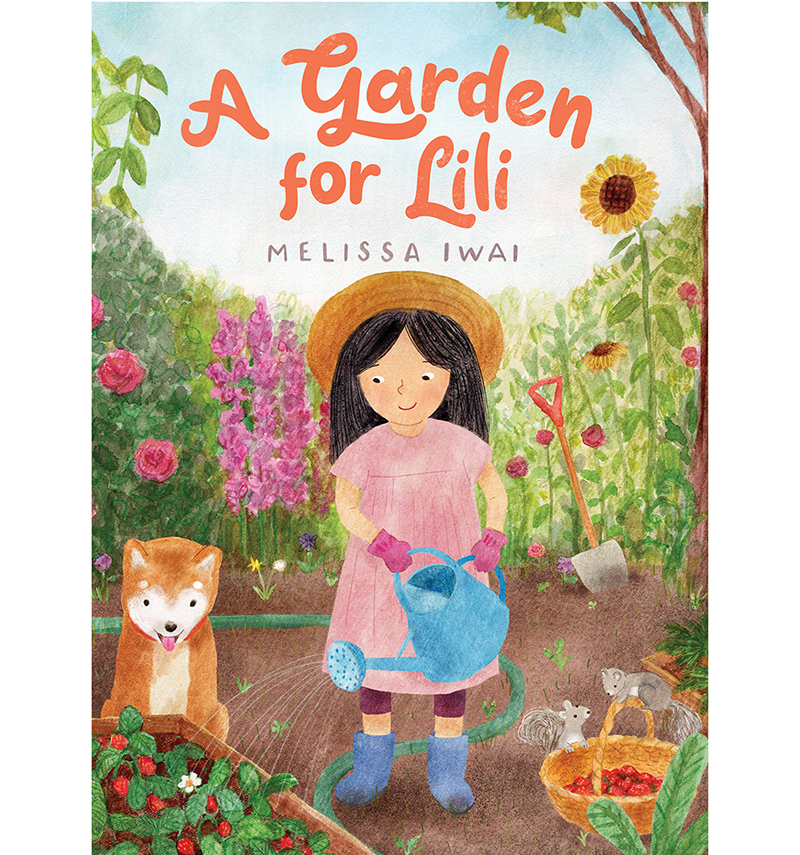
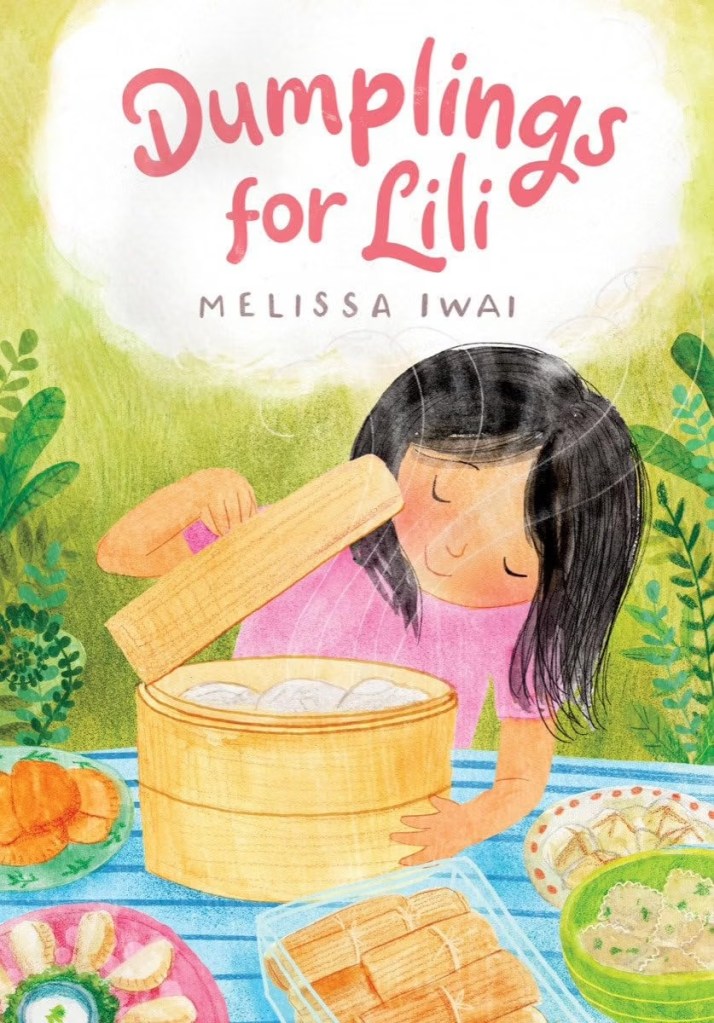
MI: A Garden for Lili continues where Dumplings for Lili ends. It has the same cast of characters, but this time the story is moved from inside their shared building to the outside: their shared community garden. There, the grandmas in Lili’s building have taught her all the secrets of a happy garden, and Lili is excited to harvest the strawberries that she grew and share them at the block party. During Lili’s attempts to pick the strawberries, however, she keeps getting interrupted by each grandma who visits the garden for an ingredient for the dish she is bringing to the same block party.
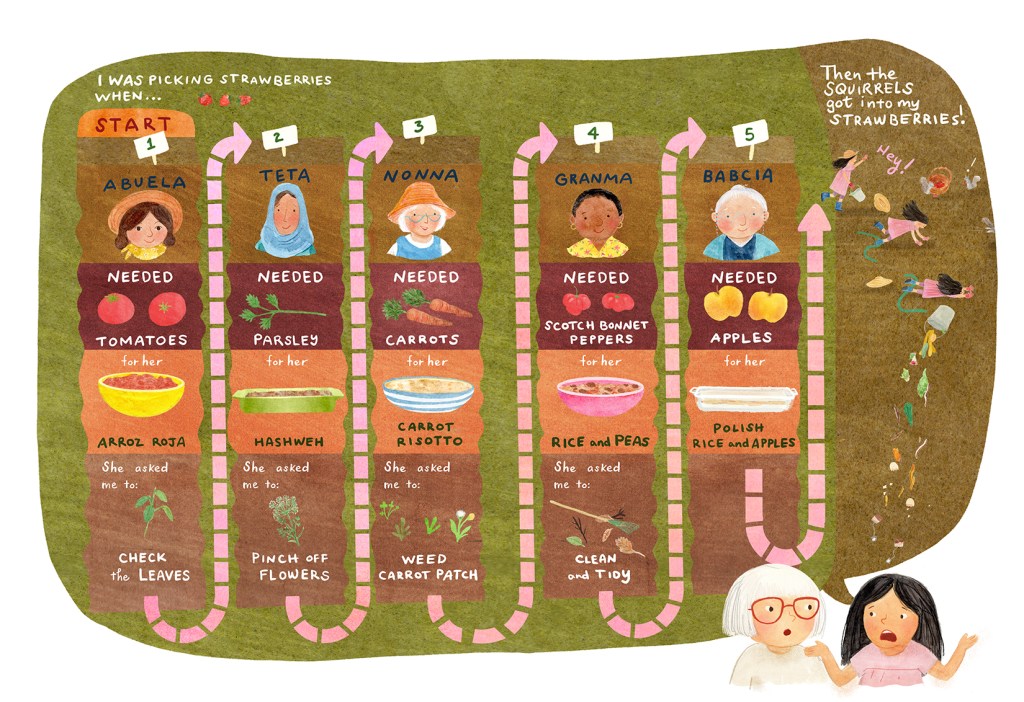
Each grandma also has a chore for Lili to do and some veggie and fruit scraps for her to give to “Mr. Nibbles,” whom we later learn is a composter. On top of it all, the squirrels are trying to get to her strawberries! At the end of a busy morning, everyone brings their delicious rice dishes from around the world to the block party, and Lili shares the strawberries she worked so hard to grow. There is back matter on maintaining a healthy garden as well as information about composting.
CGE: You’ve illustrated books that other authors wrote. Is that artistic process different for you when it’s not your text?
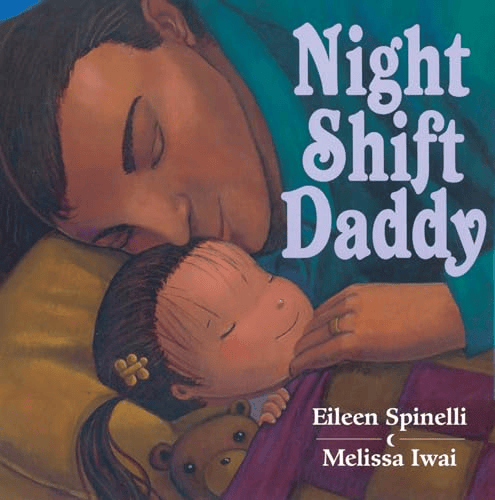
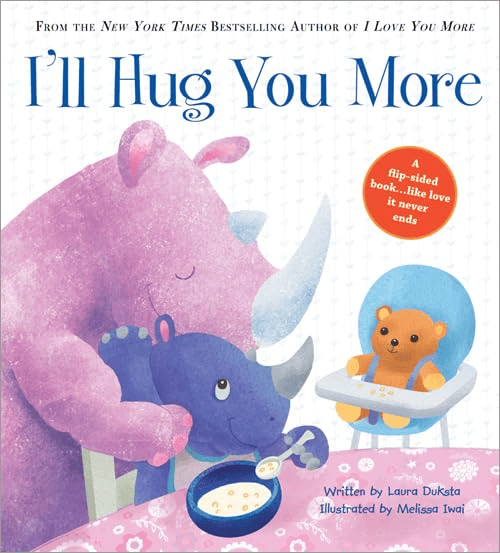
MI: Yes, it’s very different. It is a more linear process when I illustrate someone else’s story. The manuscript has been approved, and there are usually no changes to be made. I can focus purely on creating the images.
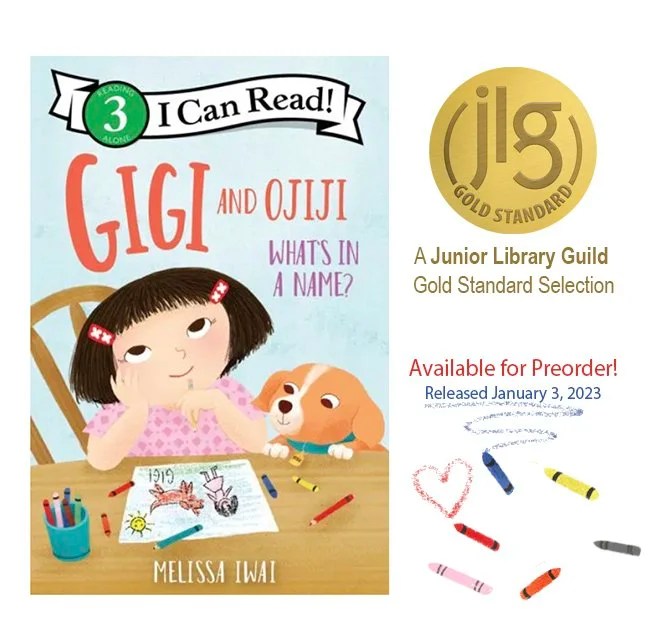
Conversely, when I am the author of the story, I often change and rewrite the story as I am creating the artwork. There is a constant back and forth. The one exception is that for my Gigi and Ojiji series with HarperCollins, because of the character count, word count, and line count required for an I Can Read book, I didn’t work this way.
I wrote the story first and had it edited by my wonderful editor, Tamar Mays. We divided the text by spreads, and then I began working on the illustrations. The process was closer to the process of illustrating other people’s manuscripts. The only difference I would say is that while I’m writing any story, I am thinking visually. I have an inkling of what I am going to illustrate at a very early stage. I did have ideas for visuals in the back of my mind even though with the Gigi and Ojiji books, I didn’t actively start the illustration process until after the manuscripts were approved.
CGE: You have so many books in the world! How did you accomplish that? Tell us about your work schedule and process, including what comes first for you, the art or the text.
MI: I don’t feel that I have so many books in the world considering I’ve been doing this for 26 years! I’ve been incredibly fortunate to be able to work with amazing people creating books for kids through the years. There have been some slower months, and I compensate by creating art for other markets, such as licensing. I have a fabulous licensing agent, Liz Wain, who shows my work to manufacturers. I’ve licensed my work in stationery and home décor markets.
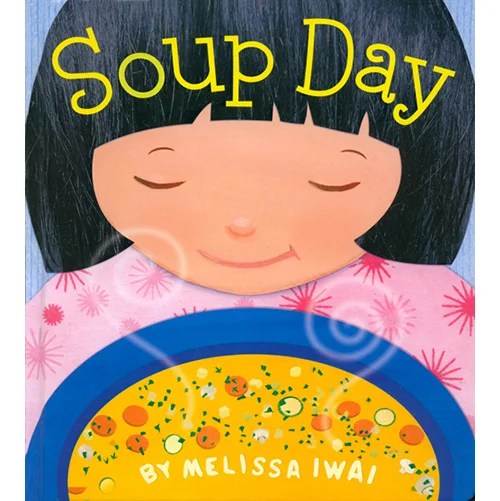
On an average workday, I am juggling several different projects. This could be book work, licensing work, speaking engagements, and book events. If I’m working on multiple books, they are at different stages in the creative process. For example, right now I’m illustrating the final illustrations for one book and working on the text and dummy sketches for another one which I wrote. I mentioned earlier, when I write and illustrate the story, I go back and forth between the words and art. In terms of what comes first, I think it depends on the story. For the first book I wrote, Soup Day, the last image came to me first in a dream. I wrote the story around that.
For the Gigi and Ojiji books, as I mentioned, I wrote the stories first and then created the images.
CGE: I understand your husband, Denis Markell, is also a children’s author. Do you work together, review each other’s manuscripts? Please tell us any interesting stories!
MI: We have worked together on two picture books: The Great Stroller Adventure and Hush Little Monster.
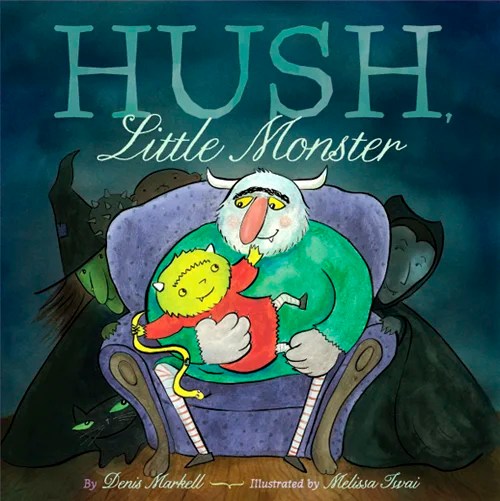
As our son, Jamie, grew, Denis began writing middle grade novels, and he is now known for those. Even though we didn’t work together on the middle grade novels, we have always talked with each other about books and what we are working on at the time. I am constantly having him read what I write and getting his feedback, and I have read all his novels before they are published.
Here’s a juicy story: Many, many years ago, soon after our first book together was published, we submitted a manuscript (his) and dummy (mine) to a well-known publisher. The publisher loved it and was excited to launch Denis as a “huge” picture book author. The only catch was that they wanted to pair him with a “well-known”, “famous” illustrator — i.e., not me. My agent was in a difficult spot when she had to deliver the news to us (she represented both of us for this joint project). To be honest, it was quite insulting to me. Especially because I had created half of the story with the illustrations in the book dummy. Denis, mensch that he is, declined the offer because he didn’t want to “throw me under the bus” as it were. He also had a clear head in this situation after spending years in the entertainment industry and experiencing his share of disappointments. He could have taken the publisher’s offer, only to have it disappear if the illustrator they were thinking of didn’t accept the job. On top of that, it would possibly put a strain on our relationship, however temporarily. And no, we never sold that manuscript.
We laugh about it now. I’m very lucky to have him in my love life and work life!
CGE: If you could offer tips for our #kidlit readers about creating picture books, what would they be?
MI: Some things I have learned over the years that I am happy to share are:
• Keep learning, keep growing. If possible, make creating a daily habit. Learn new things. Make time to create just for yourself. Even if you find yourself getting jobs, you want to hold on to what made you want to do this in the first place – which is to have fun creating. Stay curious and don’t be afraid to make mistakes and experiment. It’s all part of holding on to that inner child we have – nurturing a beginner’s mind.
• Cultivate healthy habits when you are young. This involves eating to fuel your body, getting quality sleep, and moving your body daily. You will thank yourself when you are older. You only get one body in this lifetime. It is not worth it to push yourself doing all-nighters or taking on too much work to handle in a healthy way. This is something you learn over time. But if I knew this when I was younger, and lived by it, I could have avoided a lot of work-related injuries.
• Try to find “your people” – other creatives who share your interests and tastes. This can be either online or in person. Sometimes online encounters lead to in person relationships! It’s important to be part of an artists’ community in some form. What we do can be a very solitary endeavor and having that support system of like-minded people whom you can learn from, share experiences with, and bounce ideas off of will enrich your creative life.
CGE: What does the future hold for Melissa Iwai?
MI: I’m currently illustrating a book called Olive and Maple, by Laura Wertkin, which will be released by PJ Library next year. And I recently sold a picture book manuscript, but I can’t speak about it yet. I’m very excited about it though! It’s slated to come out summer 2028.
Connect with Melissa here:

