
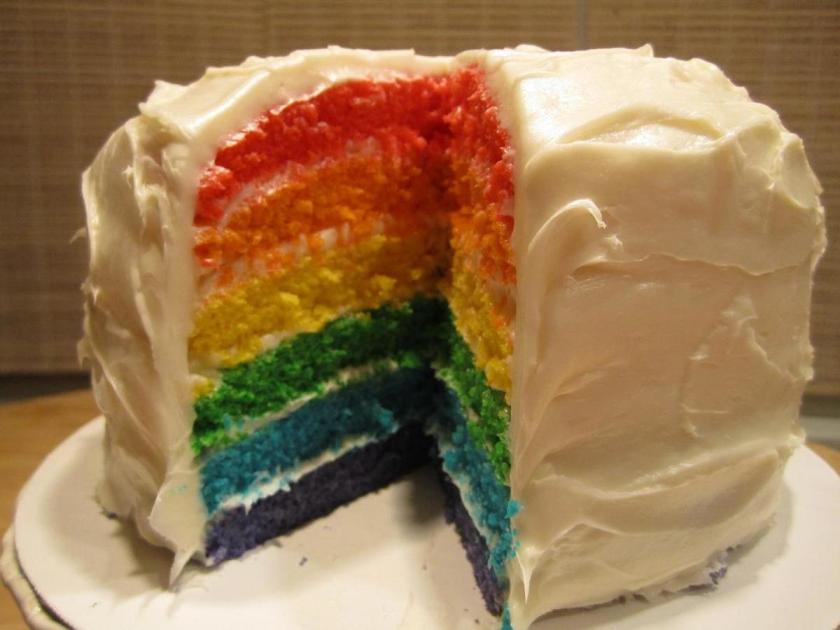
Baking a 7 layer cake is like writing a story. You have so many tempting and tasty choices to make, and each new layer builds on the one below. When you write layer by layer, you won’t forget to add critical ingredients. It will also help you identify when a layer needs more sugar or spice!
 LAYER #1 is molded with SETTING
Without a proper SETTING, your story will crumble. Add excessive setting details, and your story will be too dense. Don’t be afraid to experiment until you strike the right balance.
- WHERE does the story take place? Does it remain the same or change throughout the story?
- WHEN does the story take place?
- WHAT is the right amount of setting detail to include?
 LAYER #2 is mixed with CHARACTERS
CHARACTERS are critical ingredients to every story, especially your main characters. Since you want your readers to care about the main characters, they should be the most detailed!
- WHO/WHAT are they? Person, animal, or plant? Earthling or alien life force? Computer with a brain – lifelike or otherwise?
- WHAT do they look like?
- HOW old are they and where were they born?
- WHAT is the personality of each character? Each should be noticeably distinct. Shy or Talkative? Serious or Funny? Rule-follower or rule-breaker? Leader or follower?
- DESCRIBE family and friends, as well as frenemies or outright villains
- DESCRIBE hobbies, magic powers, secrets and wishes, pets, and anything he or she feels strongly about, positive or negative
- WHAT problems or issues do they face?
- DOES your main character change in some observable way from start to finish?
- WHAT do your characters say? DIALOGUE should be a big part of your story – especially longer ones – as characters (and people) like to talk!
 LAYER #3 is blended with PLOT
PLOT is a sequence of events that make up a story. Is your story juicy with plot twists or drizzled with humor? While most plots follow a standard structure, how you mix the ingredients is up to you.
- ESTABLISH normal life for your main character(s) (Exposition)
- INTRODUCE the inciting incident or problem (Rising Action)
- HIGHLIGHT the most intense moment when the main character meets the problem head on (Climax)
- WHAT happens after the big moment? How has the main character changed?(Falling Action)
- TIE all the story threads together at the end (Resolution)
LAYER #4 is stirred with POINT OF VIEW
 Depending how you view a cake, it can appear balanced or lopsided. Narration choices will also affect how your readers interpret or view your story. My post DARE TO CHANGE YOUR POINT OF VIEW offers more detailed information about this critical element.
- 1ST PERSON: This narrator is a character inside your story, usually the main character. This narrator only knows what he/she can observe from other characters, not what they think.
- 2ND PERSON: When the narrator talks directly to YOU, the reader, it’s a sign of 2nd person narration.
- 3RD PERSON: This narrator is invisible but knows everything about the plot and all the characters, including how they think.
- 3RD PERSON LIMITED: The story is told in 3rd person, but like 1st person, clearly reflects one character’s point-of-view (usually the main character’s).
LAYER #5 is spread with TENSE
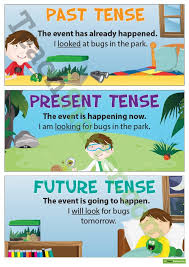
Which TENSE is best for your story? Like choosing between vanilla and chocolate, it depends on your personal taste. Whichever tense you choose, make sure you use it consistently. Dialogue and internal thoughts should always be written in present tense, no matter which tense you choose for the overall story.
- PRESENT TENSE is a great way to add suspense to your story. It’s especially great for mysteries, when you want to keep readers guessing about the outcome of the main characters.
- PAST TENSE is the most commonly used tense for a reason, as it is the natural way for most people to write. It can impart the impression that action was recent or occurred in the distant past.

LAYER #6 is frosted with TONE, WRITING STYLE, and THEME
These elements are intertwined and should be blended to personal taste.
- TONE conveys an author’s attitude about their story’s central theme. Will it be formal, informal, sarcastic, serious, scary, or injected with humor?
- WRITING STYLE is how you construct your sentences and choose your words. Do you write with lots of description, or do you prefer strong action verbs? Do you write in rhyme or prose? The more you write, the more you develop your own unique style.
- THEME is the central message or you want to impart to your readers. It can be summed up in simple phrases, like IMPORTANCE OF FAMILY, SURVIVAL, GROWING PAINS, and OVERCOMING ADVERSITY, to name a few. If someone asks what your book is really about, they are asking about theme.
LAYER #7 is sprinkled with REVISION
 Stories (and cakes) rarely come out perfectly the first time you make them. Even if you follow the recipe exactly, you often make changes the second go around. Every story benefits from REVISION, no matter your level of expertise.
- FIX grammar and sentence structure errors
- SUBSTITUTE stronger verbs
- ADD or DELETE unnecessary adjectives or adverbs
- PONDER using figurative language, like similes, metaphors, hyperbole, alliteration, and puns
- ENHANCE sensory details (sight, sound, touch, taste)?
- ADJUST setting details or other descriptions if necessary
- REVIEW plot: is it too fast or too slow? Are scenes arranged in the correct order?
Should any parts be expanded, reduced, or deleted all together? - RECITE dialogue to make sure it sounds natural
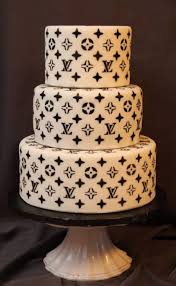
Are there any special layers you like to add to your creative masterpiece? Please share!
 WRITERS' RUMPUS
Laura you’ve concocted a useful recipe there. Cool cake images, too. Thanks for this well-organized and clearly explained information.
LikeLiked by 1 person
Thanks, Joyce! I had just as much fun writing this as finding the delicious looking cake images.
LikeLike
This is great, Laura. You’ve covered everything and described each aspect so clearly!
LikeLiked by 1 person
Thanks, Marcia. I’m glad you think so!
LikeLike
What a fun metaphor for writing Laura! 🙂
LikeLiked by 1 person
Thanks, Amy! Glad you enjoyed my brand of humor.
LikeLike
Sounds yummy. Now sprinkle in some perseverance!
LikeLiked by 1 person
Absolutely!
LikeLike
Delicious description of how too…
LikeLiked by 1 person
Thanks, Marti! Hope it inspires you to write a story AND bake a cake!
LikeLike
This is a great way to think about structure.
LikeLiked by 1 person
Thank you! I hope you find it useful.
LikeLike
So detailed, I love it! Thanks so much.
LikeLiked by 1 person
Thank you, David! So glad to hear you love it!
LikeLike
Just what I needed to keep from endlessly meandering with rewrites! Thank you 🙂
LikeLiked by 1 person
Ah, the dreaded rewrite process. So glad you found this helpful!
LikeLike
A nice method. Just add ingredients. Thank you.
LikeLiked by 1 person
Darnell, glad you liked it!
LikeLike