

Guest Post by Patricia Tanumihardja
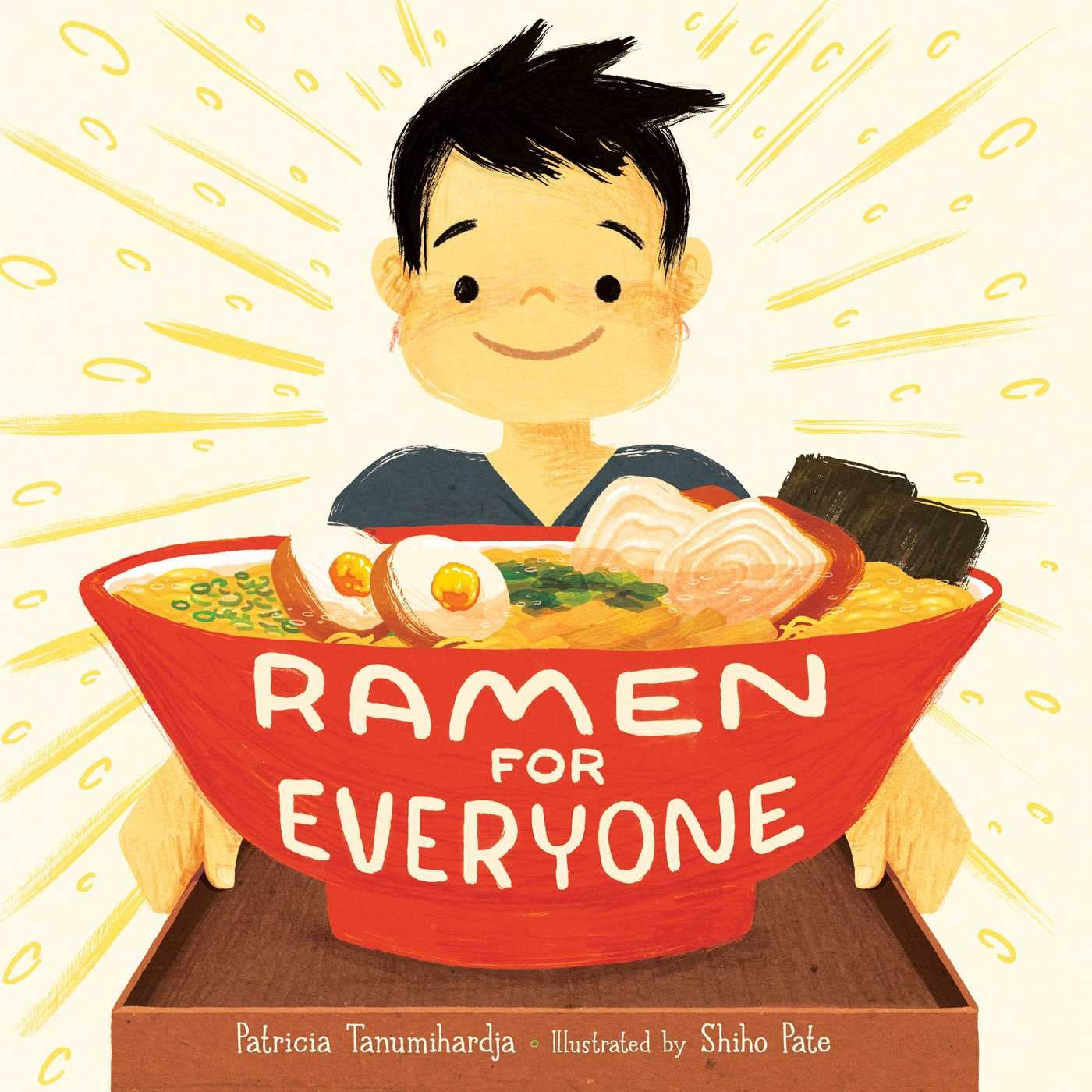
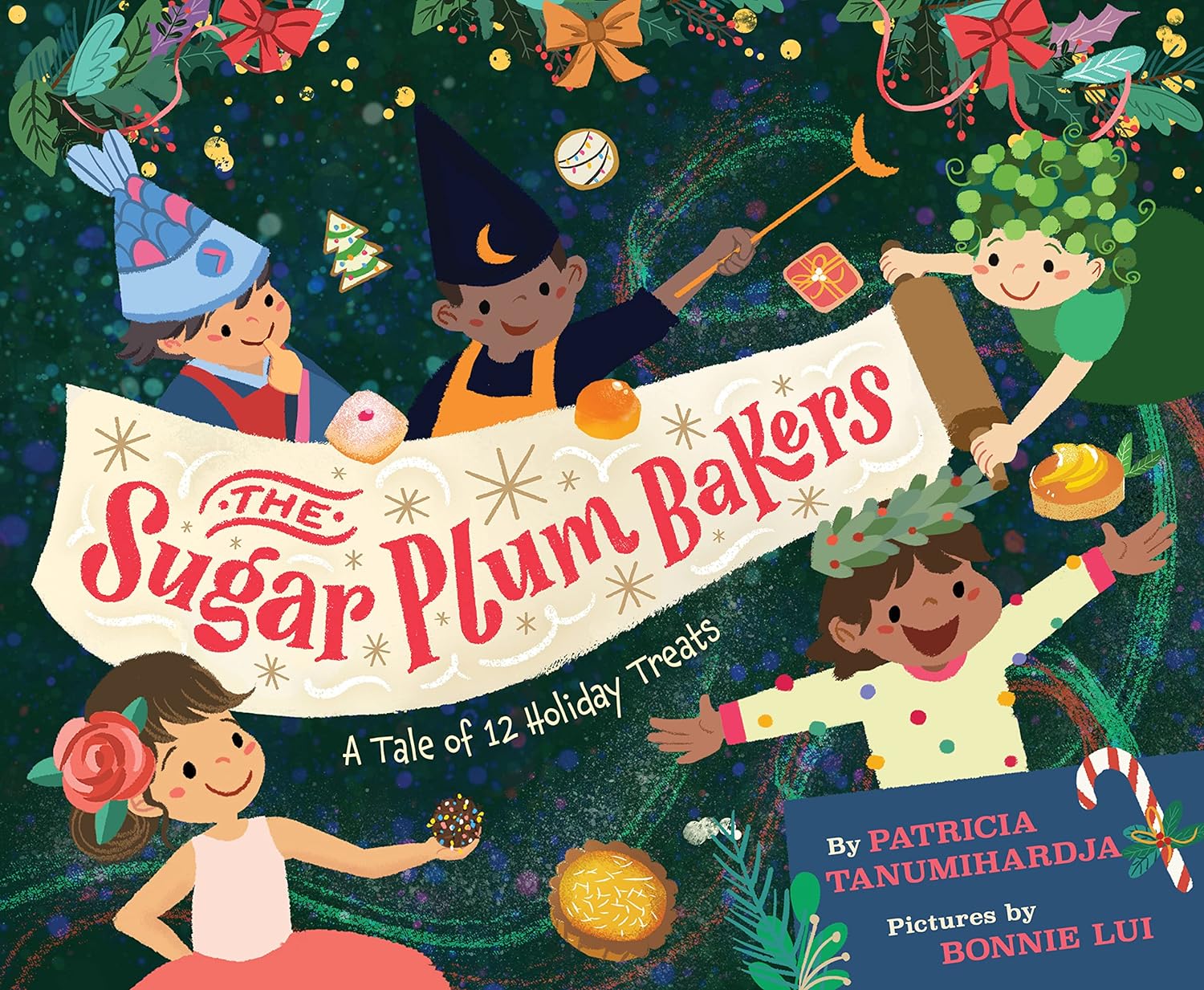
Chances are you’ve read a picture book or two with food themes in the last year. While they’ve been around for a while, Dorina Gilmore’s “Cora Cooks Pancit” (2014) and Jama Kim Rattigan’s “Dumpling Soup” (1998) are two examples, there’s been a proliferation of diverse stories braided together with food, family, and cooking recently.
As a food writer and cookbook author, food has always played a major role in my life. And that has spilled over into my children’s book writing as well. In fact, two out of three of my picture books this past year are related to food!
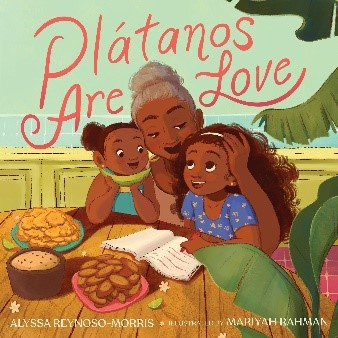
Alyssa Reynoso-Morris, author of “Plátanos are Love,” sees food as a way to bring people together. As a Black Latina, the food she eats is steeped in her African and indigenous roots and history. Writing about it is a way to honor her ancestors and their love and resilience, she says. “It is hard NOT to add this to my writing because I am so connected to the food I eat.”

“Food is such a ubiquitous part of my life that it shows up in my work like punctuations,” says X. Fang, author and illustrator of “Dim Sum Palace.” Growing up in an Asian family, she feels that food is the glue that binds relationships and the ultimate tool to communicate things that otherwise go unsaid.
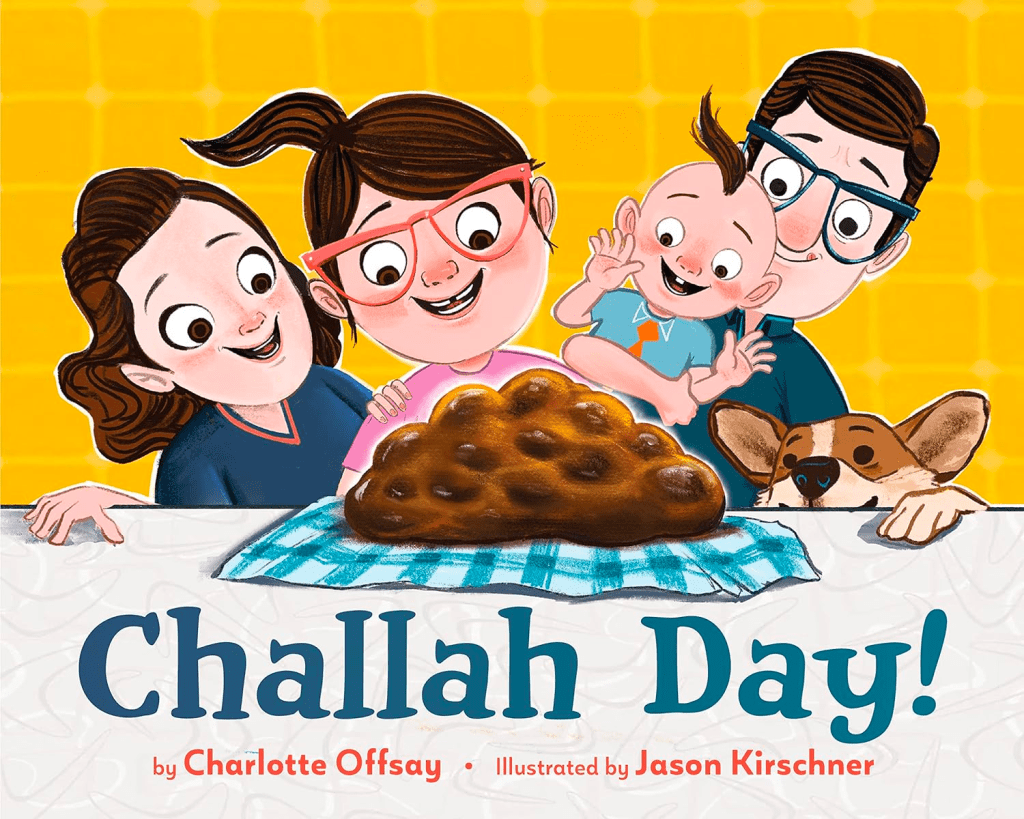
For Charlotte Offsay, author of “Challah Day,” food is so intertwined with her life and writing that they are hard to separate. “Food symbolizes connection and tradition, and I work to incorporate both of these ‘themes’ into my life and my writing.”
Ideas come from everywhere
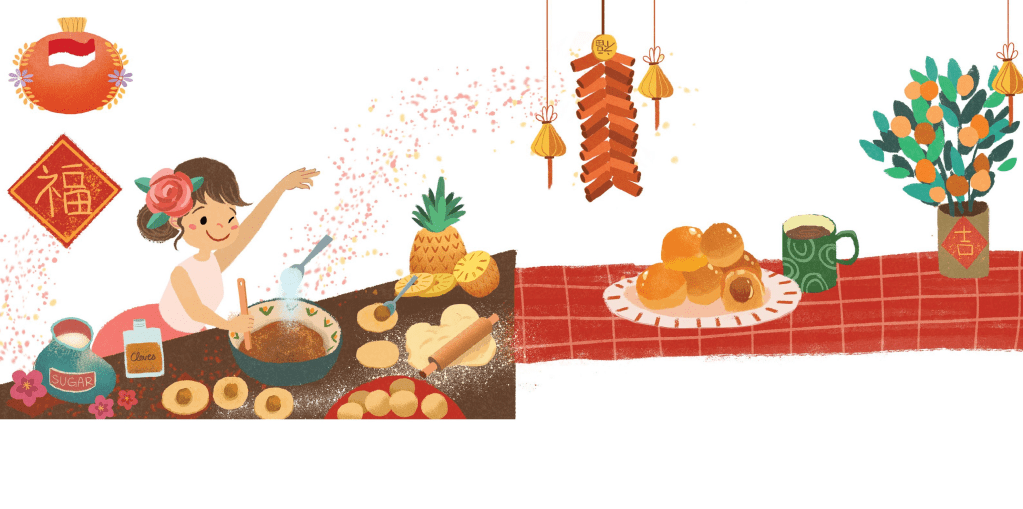
As an immigrant, food was a way to keep me rooted to my culture and traditions when I was growing up. Naturally, many of my ideas hark back to my childhood experiences. I inevitably snuck my favorite Lunar New Year treat, kue nastar (pineapple tarts) into “The Sugar Plum Bakers!”
X. Fang credits a longing for dim sum as her inspiration for her debut. “Not just the comfort of the food, but the chaotic gathering of people in one space laughing and eating together in close proximity,” she says. One doodle later–of a woman being crushed by a large dumpling crossed with Maurice Sendak’s “In the Night Kitchen” and Windsor McKay’s “Little Nemo” comics— et voilà, Dim Sum Palace was born!

Charlotte has happy memories of baking with her grandma in her kitchen as a young girl in England. Now baking challah for the holidays brings a timeless tradition into her house. One evening years ago, she sat down and wrote what would eventually become “Challah Day!”, not with the intention of publishing it, but simply to celebrate the joy of baking challah.
Alyssa’s abuela inspired her to become a writer. She told stories that captivated everyone’s attention and often roped Alyssa into telling stories too. These moments, as well as time spent in the kitchen together, are some of her fondest memories. “My love of my abuela, her stories, and the food we made together inspired “Plátanos Are Love.”
The heart of the story
Finding the heart of a story is always a challenging part of the writing process for me. I used to think it was a fluid and organic process. However, I’ve come to realize it has to be intentional. And once you find it, your story will come together.
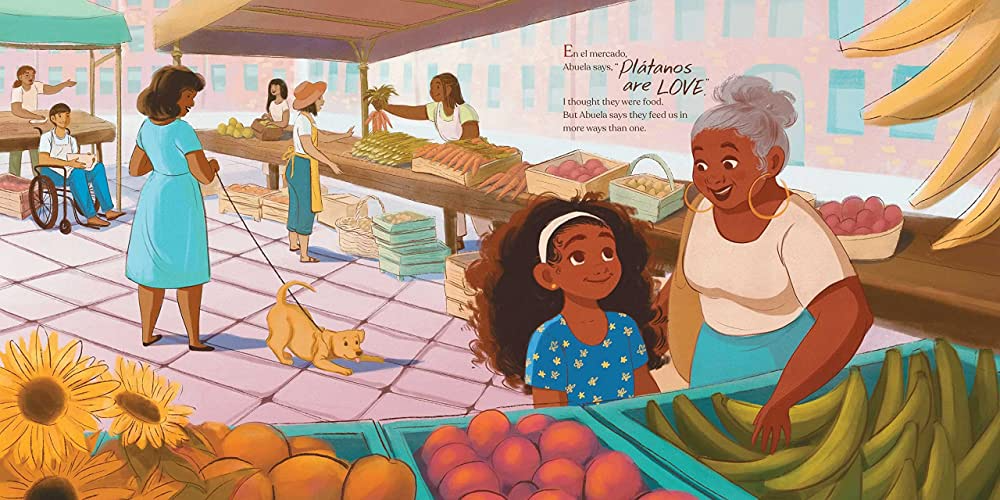
“Plátanos Are Love” started out as a nonfiction book about plátanos around the world. The book explored how different countries and cultures eat and enjoy plátanos (plantains) all over the world. When told it didn’t have enough heart, Alyssa “went back to the drawing board and thought about what plátanos meant to me growing up, and instead focused on recreating family memories of cooking with my abuela.” After adding her grandmother to the narrative, the heart poured in, and the text was so much better.
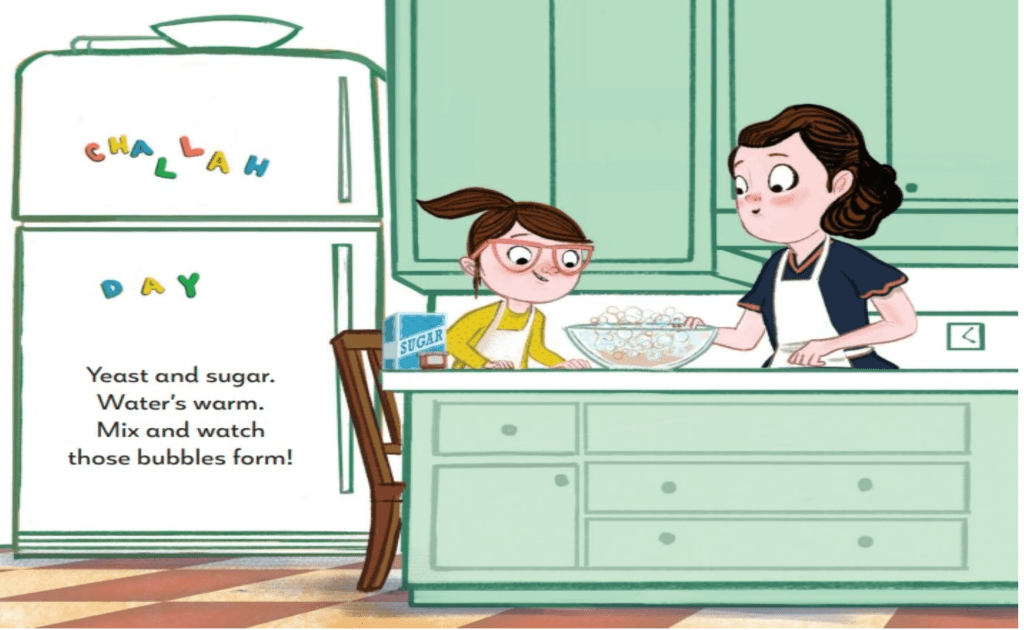
Intention is key to finding the heart of Charlotte’s stories. When writing, she scribbles her ‘why’ at the top of the page. For example, “Challah Day!” was written to celebrate the joy baking challah with her kids brought to her life. This tactic is a constant reminder to tie everything in her story back to this theme. “When you write from the heart, it can’t help but show up in your writing,” she says.
Getting started…
Want to write a food-themed story? I like to mine my childhood, and you should too! Think back to your childhood and make a list of your favorite foods, activities, events and interests. Revisit the memories and things that won’t leave you alone, maybe even pair them up and see what magic happens!
Similarly, Charlotte suggests mashing up two things that don’t typically go together as a way to create something unique. Outlining the plot first is also one way to go. There are many options and there is no single right way. “Try out different methods, experiment with structure if your current one isn’t working, and give yourself room to play and tell the story in a way that feels authentic to you.”
Alyssa wants you to do your research: What is the food you want to incorporate? Has it been overdone? What makes your version unique and different? Then ask yourself WHY you are incorporating food themes into your story. Is it absolutely necessary to move the narrative forward? Once you answer these hard questions, you’re ready to write!
Wearing her illustrator hat, X. Fang feels it’s important for her to make the food illustrations look as delicious as possible. “Kids are such visual learners, so she made it a point to make the food look good enough to whet their appetite or at least pique their curiosity.”
With so many food-themed picture books flooding the market, I often wonder if there’s room for more. Then I remind myself that good picture books–unique books with dynamic illustrations and engaging plots that ignite children’s imaginations– are always in demand. If a food-themed book has these qualities and more, there will always be room at the table.
Here is my Bio:
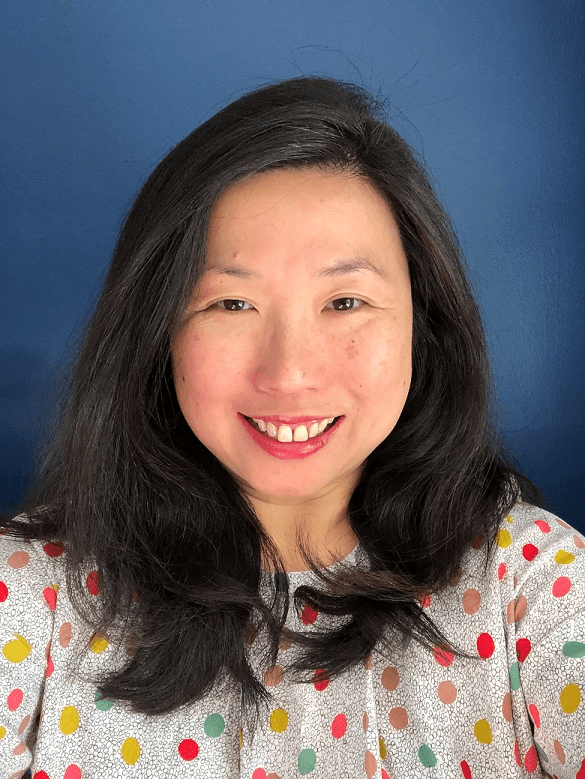
Born in Jakarta and raised in Singapore, Patricia (Pat) Tanumihardja writes fun, heartwarming stories that often reflect her experiences growing up in Southeast Asia. Pat’s Chinese Indonesian parents encouraged her appetites for both delicious foods and good books, resulting in a writing career that spans both cookbooks and children’s books. Her debut picture book RAMEN FOR EVERYONE, an indie bookstore favorite and a JLG Gold Selection, was followed by JIMMY’S SHOES—THE STORY OF JIMMY CHOO, SHOEMAKER TO A PRINCESS, and THE SUGAR PLUM BAKERS—A TALE OF 12 HOLIDAY TREATS. Pat lives in Northern Virginia with her husband and son. You can find her on Twitter and Instagram: @ediblewords and online: https://ediblewords.com.
Now for the Giveaway!
Tundra Books is offering a copy of Dim Sum Palace by X. Fang to a lucky reader. To enter the raffle, please leave a comment below. If you share this post through X/Twitter and Facebook, mention that in your comment and you’ll earn another entry. The Giveaway closes in one week, on December 12, and is open to US and Canada residents only.
 WRITERS' RUMPUS
Yum! Shared in FB!
Can’t wait for copies arrive at library.
LikeLike
I hope you enjoy the books!
LikeLike
I’m excited to dive into my past and find the food memories I can write about. Thank you for this post.
LikeLike
Oh I hope you do! It’s a fun exercise too. Enjoy the process!
LikeLike
I enjoyed this post, so thank you. I love all the different motivations and approaches for writing about food traditions.
LikeLike
There are so many ways to approach writing a picture book, whether food-themed or not. Glad you enjoyed reading :).
LikeLike
I love these types of books! We’ve read Ramen for Everyone, Amy Wu and the Perfect Bao, Fry Bread, and a bunch of others. I’ll have to add Dim Sum Palace to my list too.
LikeLike
I’m so glad to hear that you’ve read my book and two of my favorites! Enjoy!
LikeLiked by 1 person
Great post, Patricia! I can’t wait to read all of these.
LikeLike
Thank you! Glad you enjoyed it.
LikeLike
I enjoy reading books like this that teach me about other cultures and foods people eat around the world. I’m excited to read all of these books as mentor text. I shared on Twitter and Facebook.
LikeLike
Thank you! I hope the mentor texts will help you with your story.
LikeLike
Hi Danielle! Congrats, you’re the winner! Please go to my website and fill out the contact form with your mailing address pls. Thank you!
LikeLike
Thank you! Headed there now 🥰
LikeLike
Absolutely yummy! One of my critique partners is always quick to point out, “Here’s another food-themed book, Angie.” LOL I LOVE to incorporate food in my writing. Great suggestions from all and this is a good list of mentor books. Thank you!
LikeLike
I’m so happy you found my list helpful. Hope to read one of your food-themed books soon!
LikeLiked by 1 person
Thank you! Me too! 🙂
LikeLike
I love the diverse food themes! Thank you.
LikeLike
There’s so much to learn from the experience of others :).
LikeLike
I love the idea of food as a symbolic way of families. I also like the reminder to keep the story part in the food theme.
LikeLike
Story is the reason why write, whether about food or anything else!
LikeLike
A very delicious read!
LikeLike
So glad you enjoyed it!
LikeLike