
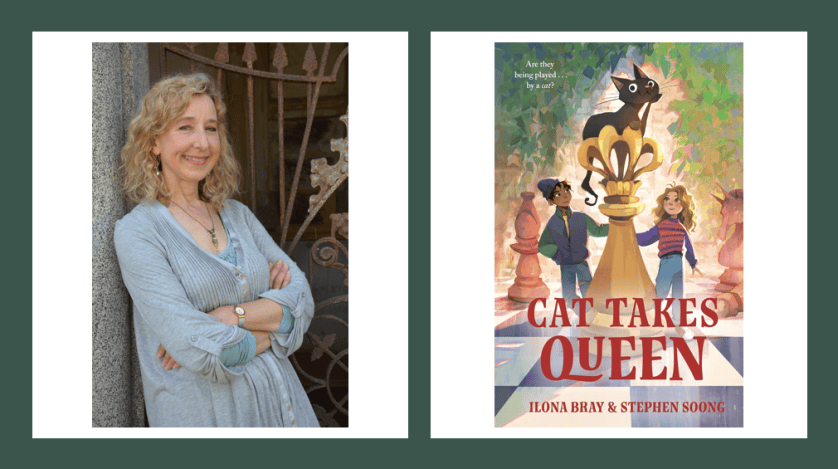
I first connected with Ilona Bray through social media and its vibrant online kidlit community. Right away, I was drawn to her warmth, thoughfulness, and creative spirit—not to mention the beautiful nature photography she shares from her home in New York’s Finger Lakes Region.
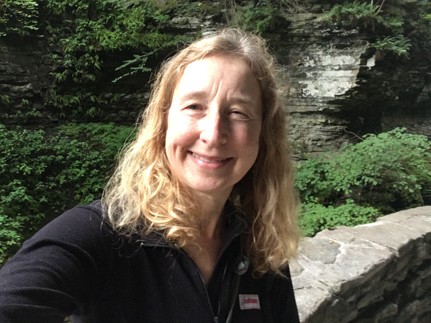
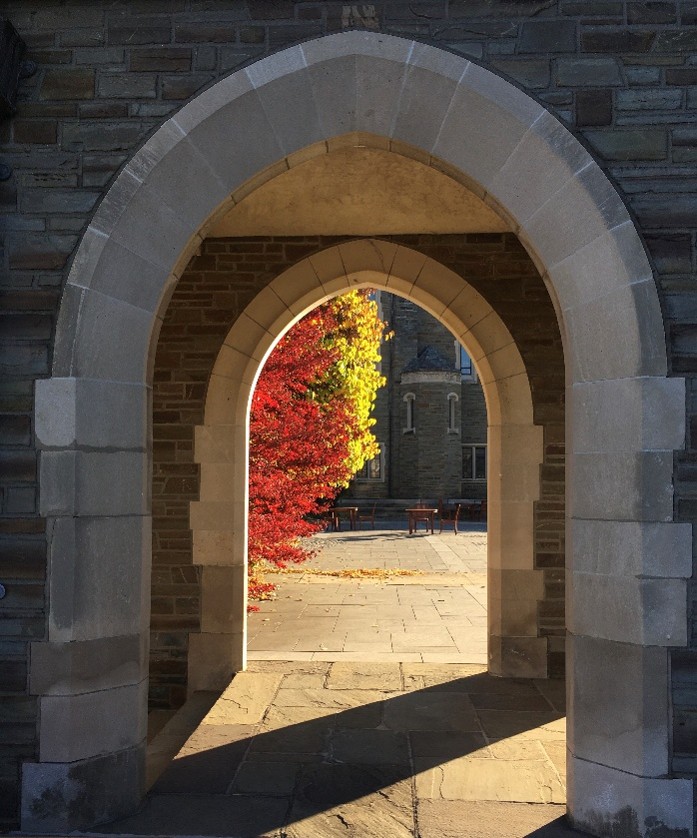
This area holds a soft spot in my heart from back when I attended graduate school at Cornell many years ago. Ilona’s stunning photographs of local wooded trails, wildlife, and changing seasons often leave me awestruck.
Now, Ilona and her husband, Stephen Soong, have teamed up to write Cat Takes Queen: In Which a Humble Cat of Astonishing Genius Recounts a Tale of Chess Mates and Checkmates, their middle grade debut, coming from Feiwel & Friends next month.
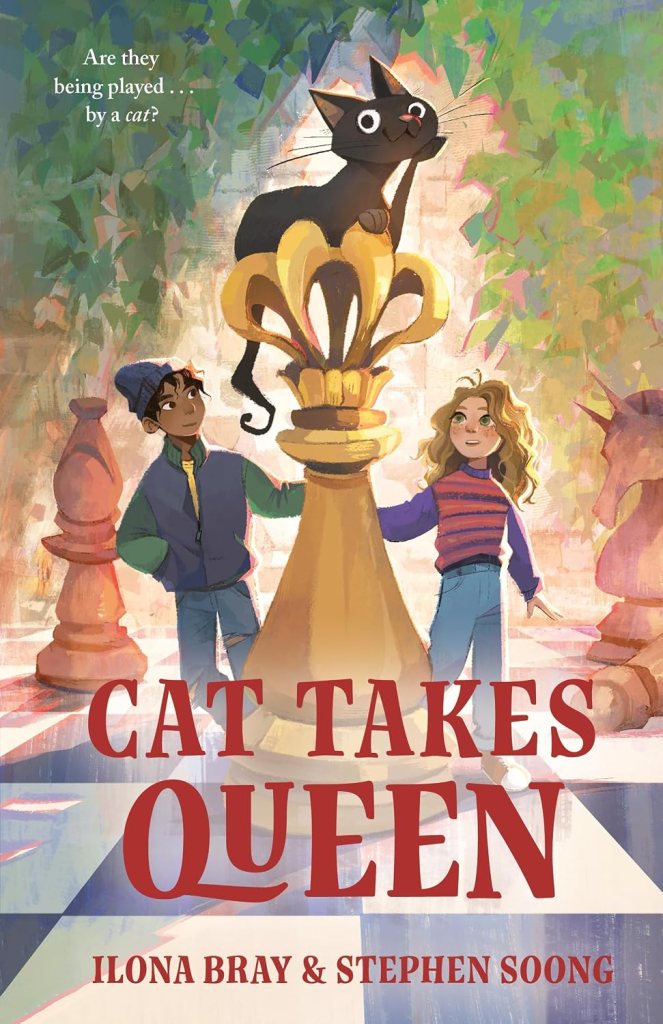
The novel is narrated by Morphy, a brilliant, delightfully opinionated stray cat who has learned to play chess from his beloved human friend, Edgar. When Edgar suffers a stroke and is taken away, Morphy must make a few unexpected moves of his own. He joins forces with Edgar’s headstrong daughter, Calla, and Diego, a talented young street-chess player, to bring Edgar home—and, along the way, discovers that perhaps allowing yourself to belong to someone isn’t quite the same thing as being owned.
I loved Morphy from his very first page. His voice is witty, observant, dignified, and unmistakably feline. He may insist that he wants nothing to do with humans, but his enormous heart keeps showing itself despite him. I especially enjoyed watching his feelings toward “Calamity,” as he initially calls Calla, begin to shift. Beneath the chess matches, cat escapades, and laugh-out-loud commentary is a tender story about friendship, family, judgment, independence, and finding your people.
The book also manages something rather impressive: it makes chess exciting and accessible even for readers who don’t already know how to play. Chess diagrams, puzzles, and explanations are woven throughout the story, but never get in the way of the action. Readers can follow every move—or simply sit back and enjoy Morphy’s adventure.
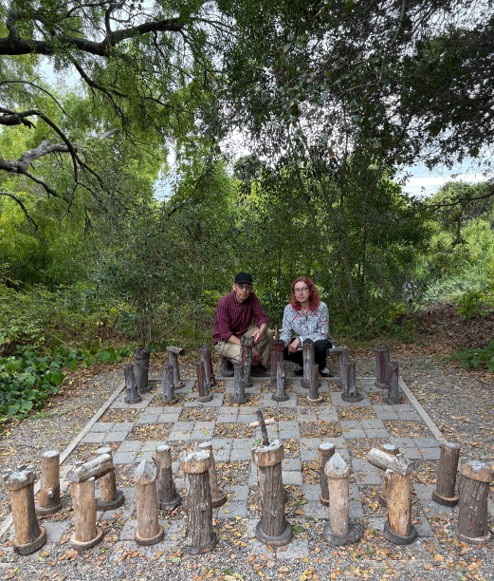
I’m delighted to welcome Ilona Bray to Writers’ Rumpus.
Ilona, let’s make our opening move!
Hilary Elizabeth Margitich: Ilona, welcome to Writers’ Rumpus! Cat Takes Queen has such a fun and original premise. How did you and Stephen come up with the idea of a chess-playing cat, and what was it like combining your storytelling with his chess expertise?
Ilona Bray: It started small, quite literally! My original idea was to write a picture book about a chess-playing mouse. I don’t play chess, but was intrigued by its depiction in “The Queen’s Gambit” and so on. At the same time, I was frustrated at how rarely these fictional works show us what brilliant moves the players make. They toss around words like “fork” and “stalemate” and hope we’re satisfied. Stephen (who’s taught chess) agreed to suggest a short game that could be interwoven into the plot, and supply illustrative diagrams. He also thought a cat would be a better narrator. I don’t remember why!
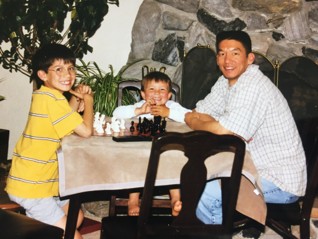
When I showed our supposed picture book to critique partners, they said, “This is the beginning of a middle grade novel.” Stephen was surprised to realize what he’d signed up for (he’d probably use a stronger word). After all, he’d heard me grumble for years about how IMPOSSIBLE it is to get a children’s book published. But his ongoing role was key to getting the chess elements right, and he loves getting others excited about the game.
HEM: Morphy’s voice is one of my favorite things about the book. He is smart, snarky, dignified, and unmistakably feline—but beneath all that cattitude, he has an enormous heart. How did you develop his personality and find his voice? Did any real-life cats help inspire him?
IB: From page one, it felt strangely natural to “channel” Morphy’s voice, like he’d taken over. I did grow up with cats—a series of strays. In fact, the first word I ever tried to sound out and spell, using chalk on my easel, was “KAT.” (The reason I remember this is probably the subsequent horror of realizing that “sounding out” doesn’t work as well as advertised.)
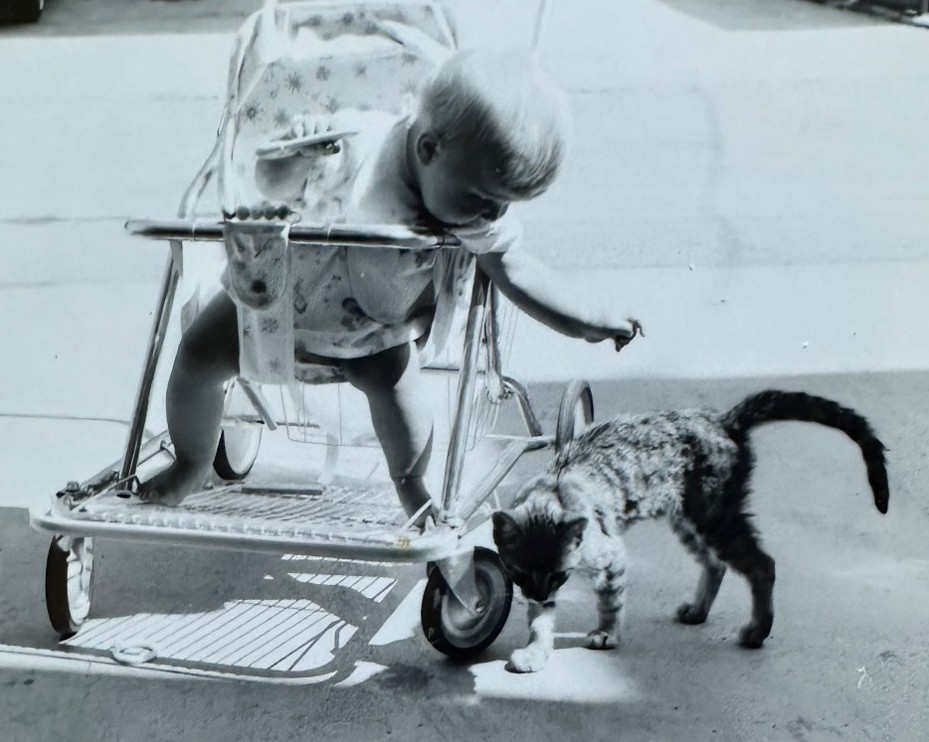
Cats’ calm self-possession has taught me a lot, such as to respect boundaries and never demand ego-gratification. I think cats actually get a bad rap with regard to being standoffish or mean-spirited. Some are simply lashing out against people who get in their space or don’t understand or respect their needs.
My favorite of my family’s cats was Yo-Yo Meow, a stray who tried out various homes in our neighborhood before settling into ours. (High honor, right?) She loved to be involved in household activities; I have a photo of her sitting at a Scrabble board with Stephen and me, looking on so intently we were sure she wanted a turn.
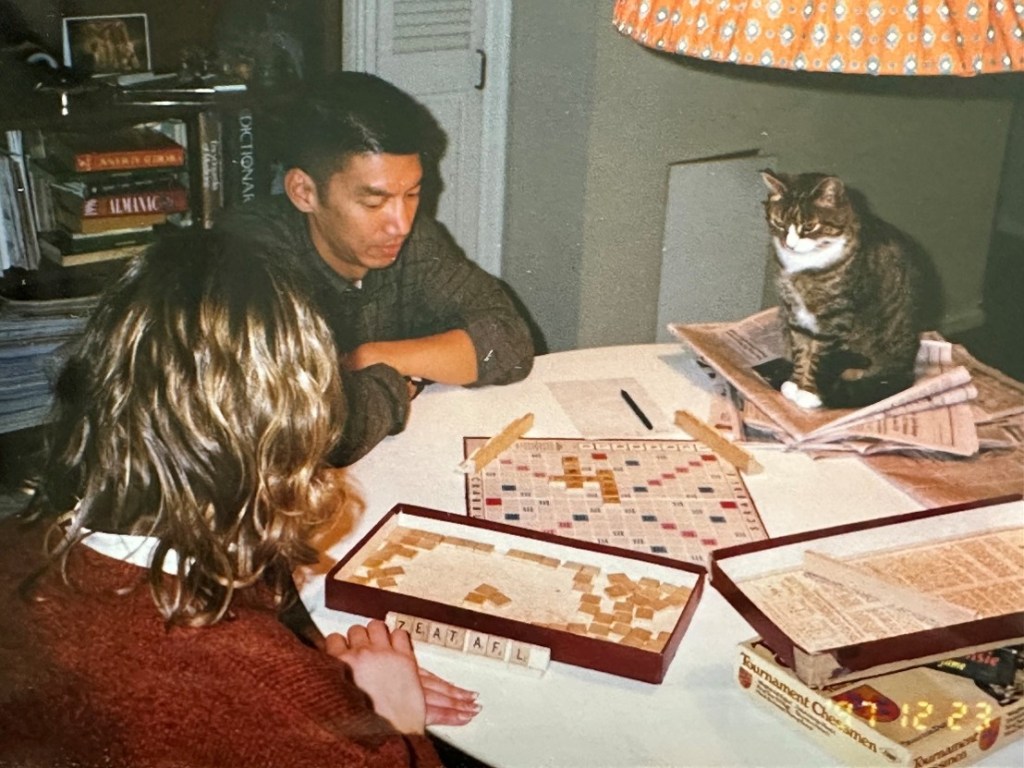
Anyway, I must’ve absorbed some of our feline housemates’ “cattitude,” and for this book, I also made sure to research how cats see, smell, and otherwise experience the world.
HEM: I loved watching Morphy’s relationships with Calla—whom he initially calls “Calamity”—and Diego evolve. All three characters are independent and sometimes misjudged, yet they gradually become a family of sorts. What did you hope young readers would take away from their journey together?
IB: I wish I could say I’d thought all this through in advance. (Confirmed ‘pantser’ here.) But writing tends to reveal our deeply held beliefs whether we meant to or not. I’m acutely, even epigenetically aware of the challenges of finding one’s true ‘home,’ in terms of both people and place. That was a huge part of my parents’ life journey, and thus my own. My mother came to the U.S. from Lithuania as a WWII refugee.
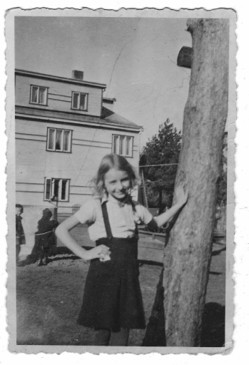
My father grew up in Illinois with a mentally ill, angry mother and left home as soon as he could.
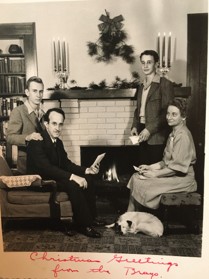
With no existing networks of friends and family, they became somewhat nomadic. By age five, I’d already lived in Los Angeles, Berkeley, Vancouver, Canada, and then Seattle. I continued the pattern: college in Pennsylvania, working stints in Washington, D.C., Alaska, London, and so on.
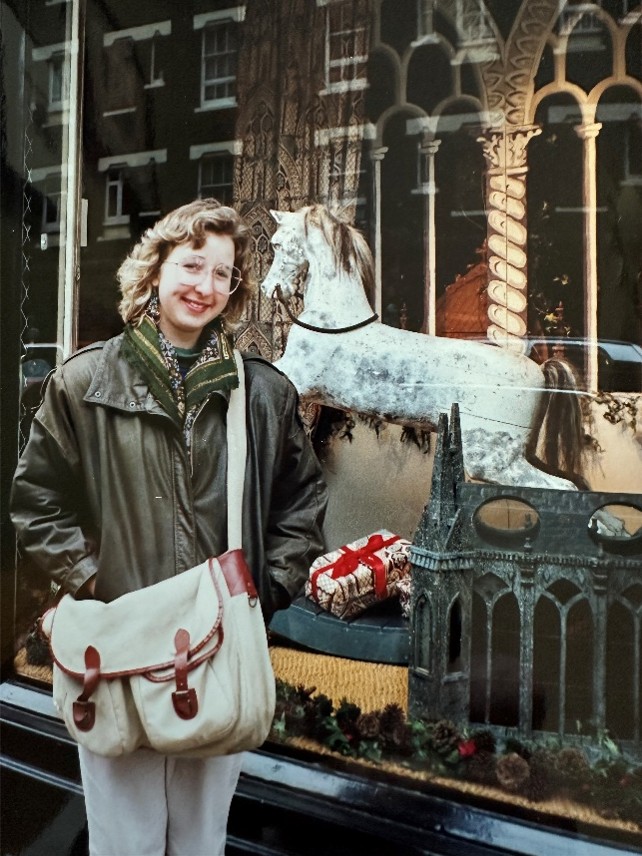
With every move, I had some vague sense I’d find the real me, as well as friends who “got” me. It doesn’t usually happen that way.
So it’s probably no coincidence that Calla has difficult parents she’s trying to get away from. Diego’s mother is an immigrant from Guatemala, and Morphy is determinedly trying to maintain his independence, the one thing that’s kept him alive and sane. The three of them bond over the chessboard—a not unusual bonding opportunity for “others” who don’t fit into an obvious societal slot.
HEM: The novel includes chess diagrams, puzzles, and explanations, but readers don’t need to know how to play chess to become completely caught up in the story. How did you make the chess elements accessible while keeping the action moving?
IB: Thanks for saying we did! I doubt we’ll please everyone; some readers might want less chess (which is why we delineated areas that could be skipped over), while chess-playing readers might want a bit more. In the revision process, we were diligent about checking whether readers could actually jump over the sections of text where Morphy goes deep into chess matters without losing the story thread. And we’re always delighted when readers tell us this book inspired them to learn more about chess (or cats!).
Also, the more one studies chess (even as a non-player like me), the more fascinating it becomes. It’s not just another board game; it’s a centuries-old challenge to humans’ mental capacities. At one time, it brought together kings, queens, rogues, and madpersons. Today, it inspires active clubs and casual meetups in schools, libraries, and urban streets. When Stephen and I lived in Oakland, California, he frequented a donut shop where chess players of all ages, classes, and races met up and worked on their game (and their trash-talking skills). We brought that realm into the book via Diego.
HEM: Cat Takes Queen explores some meaningful subjects, including family pressures, financial differences, caregiving, prejudice, and belonging, but Morphy’s humor keeps the story from ever feeling too heavy. How did you approach balancing those deeper themes with comedy and adventure?
IB: Humor for me goes beyond lightness: it’s a survivial tool. My mother is one of the most naturally funny people I know, and she lived through a war—was beaten up by Nazi children, sheltered in cellars while bombs fell, saw bodies on the streets…the works. Her coping skills got passed down to me in the form of what a friend once described as an “overdeveloped sense of the absurd.” So I wasn’t initially trying to add humor to this book; it’s just how I think.
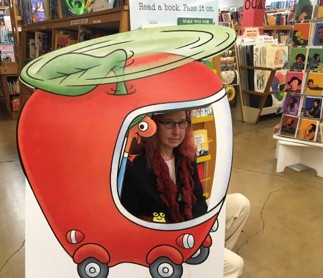
Then again, I once took a lovely writing seminar with middle-grade author Hillary Homzie, where she discussed situations that are ripe for humor. One of these was being a “fish out of water.” I’d say an opinionated cat trying to fit in among humans, to understand our hangups, habits, and odd turns of phrase, fits that profile.
HEM: Besides writing fun and creative books for kids, you are an immigration lawyer who writes books explaining complicated legal concepts in plain English to adults. Do these two very different parts of your life influence one another in any cool or interesting ways?
IB: Definitely. When I practiced immigration law, being a storyteller was practically required. An asylum client would come in saying little more than, “They killed my neighbors. I’m afraid to go back.” It was my job to earn their trust, elicit details, and help present their story so that a dubious judge would picture the circling unmarked vans, smell the blood, feel the trembling of opening a life-threatening letter.
More recently, my writing work at Nolo [publisher of legal books and recources] means trying not to bore or confuse the reader with accounts of government regulations, application procedures, and contract clauses. (Page-turning stuff!) I’ve learned to revise, revise, revise, and to speak to one reader as if we’re chatting across a table. No wonder I prefer first-person narration.
HEM: Cat Takes Queen is your middle grade fiction debut. What has surprised you most about the journey to publication, and what are you working on now? Most importantly, might Morphy have another move—or adventure—waiting in the wings? (I really hope so!)
IB: Phew, it’s been a long path. Maybe I surprised myself with my own strength and persistence. Rejection hurts like a body-blow, it can’t be avoided, and happy endings aren’t guaranteed. I’ve had times when people I respected tore into my manuscript such that I couldn’t sleep. But around 4 a.m., I’ll have an idea for improvement that never would’ve come to me otherwise.
Another surprise: How fast things move when they start happening! One day I was sending query letters into the void, and the next, I was signing an agent contract, then a publishing deal, and then reviewing the cover design (by artist Crystal Kung) and proofs. I’m still in shock—and won’t believe this is real until I’m holding the book in my hands.
As for a sequel, I’m trying out an idea…stay tuned!
HEM: Ilona, thank you so much for joining us and giving Writers’ Rumpus readers a peek behind the pages of Cat Takes Queen. Morphy has certainly captured my heart, and I can’t wait for young readers to meet him. I’m wishing you and Stephen a truly purr-fect launch—and plenty of new readers eager to make their opening move!
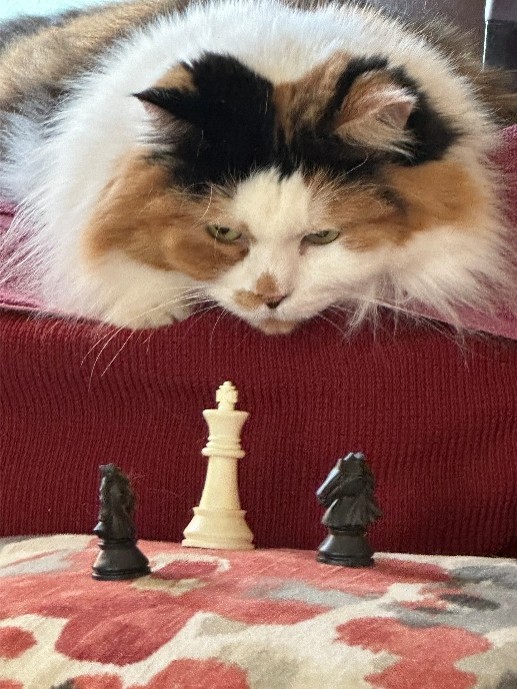
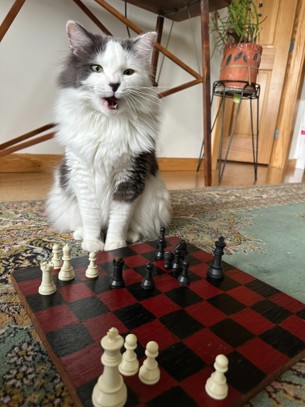
IB: Your questions were so insightful, Hilary! Thanks for this fun and deep conversation, and for bringing your infectious energy and joy to the online kidlit realm. We can’t wait to launch—we’ll be doing presentations in Seattle, the San Francisco Bay Area, New York State, and more. We plan to get creative, for instance by showing photos of cats reacting to our “invitation” to play chess. And we hope to meet many writer friends along the way.
Cat Takes Queen, written by Ilona Bray and Stephen Soong, will be released by Feiwel & Friends on October 13th, and can be pre-ordered now. You can learn more about the book, explore chess activities, and even visit Morphy’s very own advice column at cattakesqueen.com.
To learn more about Ilona and her other writing, visit ilonabraylit.com. You can also follow her (or her “Cats Teach Chess” page) on Facebook, Instagram, and Bluesky for book news, kidlit updates, and beautiful glimpses of the natural world around her home.
Readers, are you already a chess player—or will Morphy inspire you to give the game a try? Let us know in the comments!
Ilona is graciously offering the choice of a signed copy of her new book Cat Takes Queen, a critique (first 10 pages of a MG manuscript), or a 30-minute AMA session to a lucky reader! To enter, please comment on this post. If you share on social media, please mention it in your comment and you’ll get another entry. Giveaway closes in one week. US only.
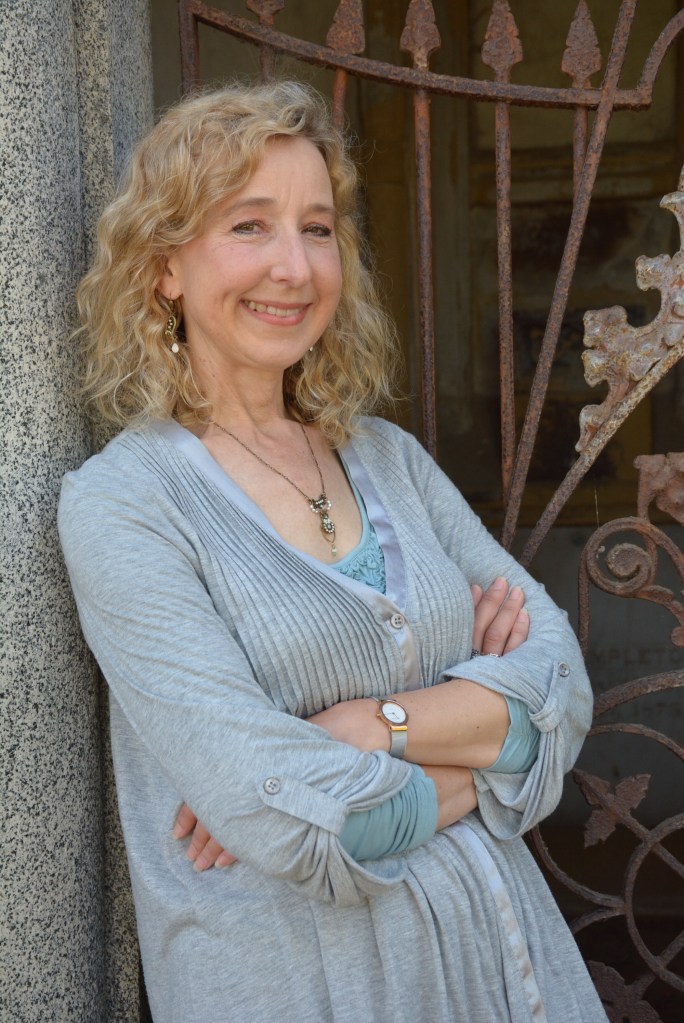
Ilona Bray is all about words and stories and would rather play Scrabble than any other game—though she finds chess fascinating in its elusive brainteasing. She’s active with the Society of Children’s Book Writers and Illustrators (SCBWI) and 12×12. Ilona practiced immigration law for years, mostly representing asylum and family-visa seekers from south of the border. Now she’s an author/editor at Nolo in Berkeley, California. When not at her computer, Ilona enjoys photographing cats and more, exploring her and Stephen’s new home in New York State, and cooking gluten-free meals.


Fun interview! I love all the old family pictures and learning about Ilona’s background. Great that she collaborated with her husband and brought their interests together. I’m looking forward to reading Cat Takes Queen. Congratulations to Ilona and Stephen!
LikeLiked by 1 person
It’s adorable Marcia–you’ll love it!
LikeLiked by 1 person
This sounds like a fun book so I would love to win a copy to read. Thank you for sharing today (the cat photos are adorable). I shared this post on Facebook.
LikeLiked by 1 person
Thank you, Danielle!
LikeLike
Massive congratulations to Ilona on your second kid’s book (see: Mossby’s Magic Carpet Handbook). Can’t wait to read this one as soon as it arrives! Kudos to CS/Stephen as well. And thanks for the introduction to the word “epigenetic”. My word for the day.
LikeLiked by 2 people
What an intriguing book and story — I can’t wait to get my paws on a copy! Best, LM
LikeLiked by 2 people
Hi Hillary! OMG this sounds like a fun read—and I don’t play chess or do cats! You are an excellent interviewer and this sounds like a fabulous next read! Thank you!
LikeLiked by 2 people
Haha, fair enough, Patricia! But you will STILL love it! It’s adorable.
LikeLike