
I have spent entire workdays trying to understand everything I can about cryptocurrency. This was an assignment. Someone was expecting me to understand it well enough to explain it to children.
(No pressure!)
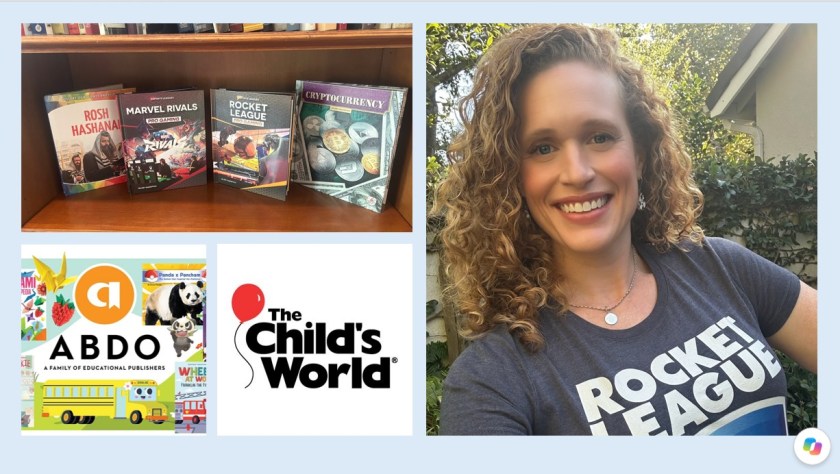
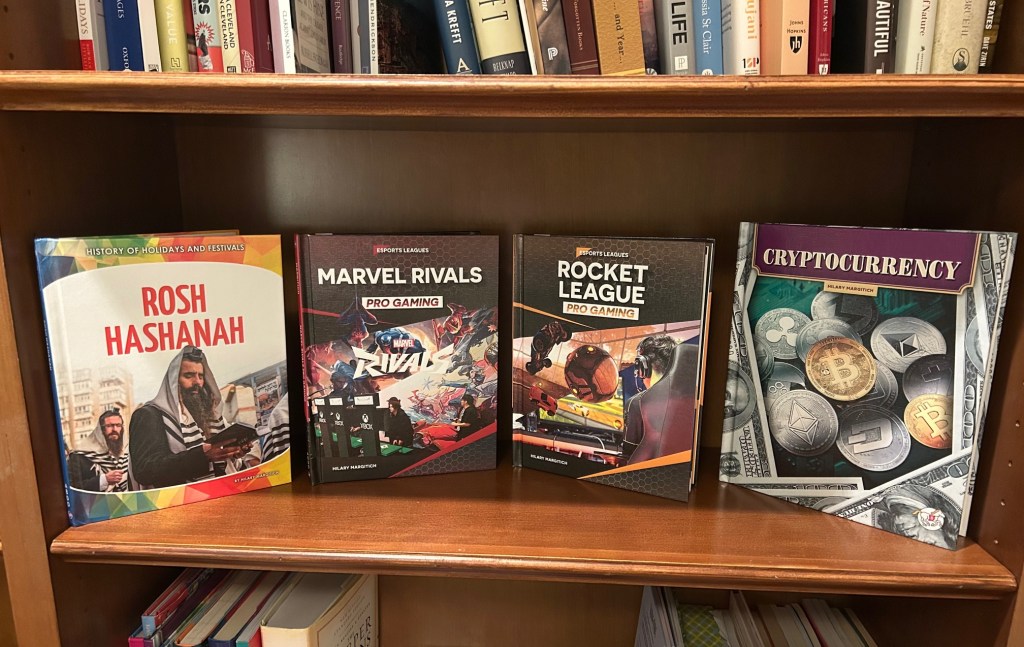
Writing for the educational—or school and library—market has sent me into some wonderfully different worlds: digital money, Jewish history and traditions, and professional video gaming. Along the way, I’ve written four books, worked with several publishing editors, and developed some strong opinions about keeping track of research sources!
Also, browser tabs…if there was a support group, I would join it.
If you’ve ever wondered about this kind of writing, here are five things that have surprised, challenged, and delighted me:
1. You can apply for the job of being curious.
For these books, the publisher creates the series concept and assigns individual titles to writers. My route in involved a resume and cover letter. I contacted educational publishers, introduced myself, and described my background and interests—much as I would for other freelance work.
These are paid, work-for-hire assignments: I’m paid for writing each book rather than earning royalties on the book sales. They’ve allowed me to build my freelance writing portfolio alongside developing my own manuscripts (which I will earn royalties on).
Relevant experience helps. My background in business and finance, for example, gave me a starting point for writing about money. A starting point. The nuances of cryptocurrency still had plenty of opportunity to humble me!
I’ve also found that one assignment can lead to another. Once you’ve worked with an educational market publisher and they’re happy with your work, they may come back with more assignments. It’s a lovely feeling when an editor reaches out again—although I do wonder what my next research obsession will be…
2. You are part of something bigger.
E-wallets! Ancient scripture! Rocket-powered soccer cars! The topics I’ve written about may seem like an unlikely assortment, but each book belongs to a carefully planned series.
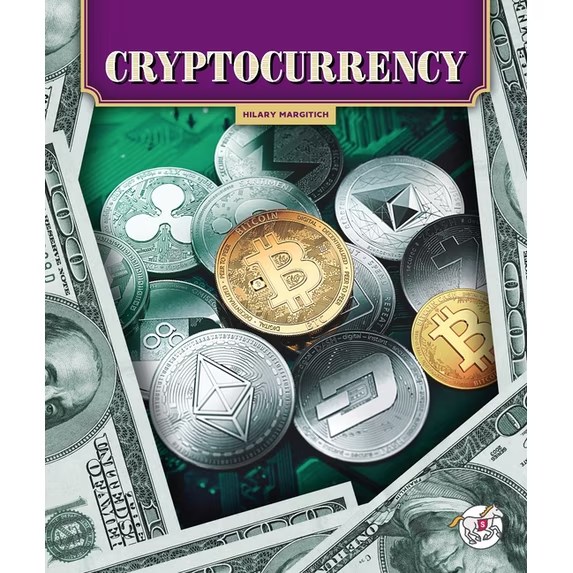
The World of Money from The Child’s World introduces financial literacy to kids through topics such as budgets, banks, taxes, and investing. My book in the series, Cryptocurrency, explains digital currency, how to works, and its benefits and risks.
History of Holidays and Festivals from ABDO Books explores important holidays through their origins, history, and observance. For my book Rosh Hashanah, I researched the Jewish New Year, from its historical roots to its meaning and traditions today.
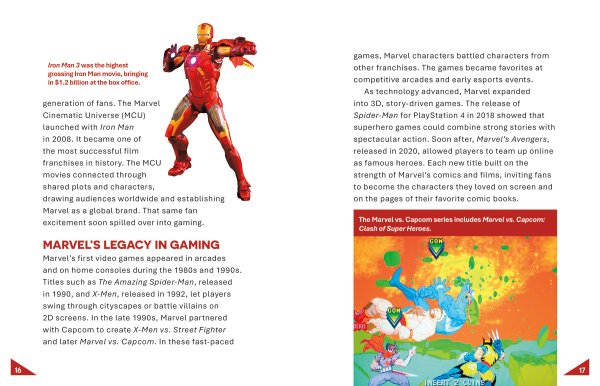
Esports Leagues, also from ABDO Books, introduces readers to competitive gaming: popular games’ development, major competitions, and standout players and teams. My assigned titles were Rocket League Pro Gaming and Marvel Rivals Pro Gaming.
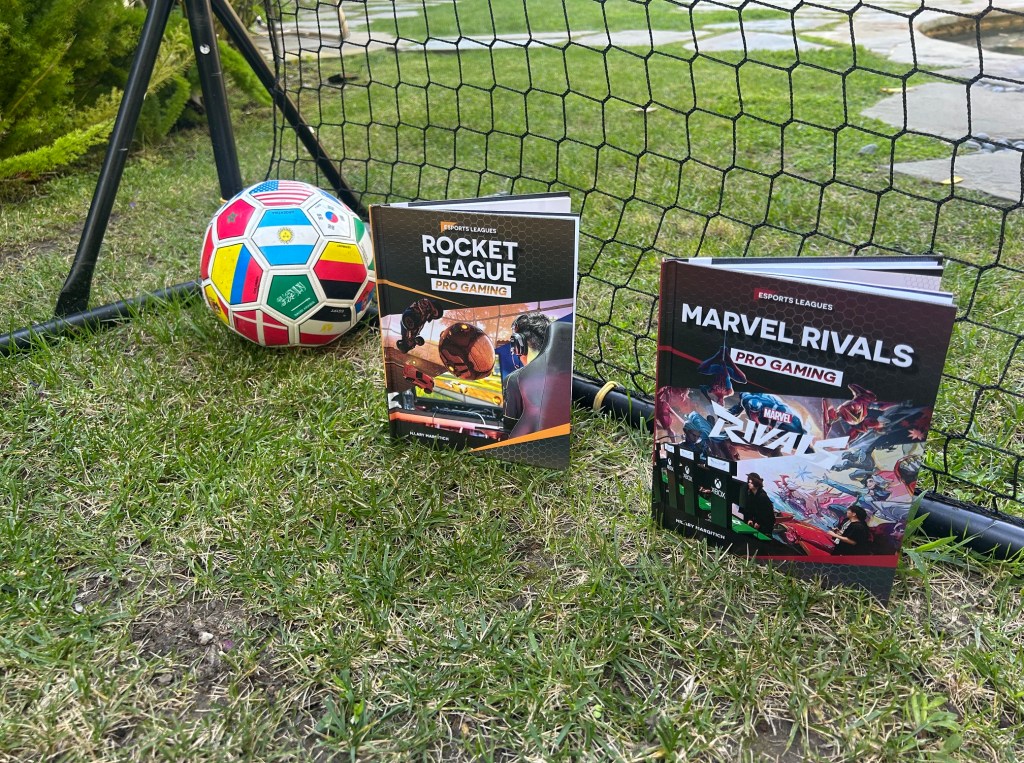
For each, I received a map of sorts from the publisher—guidelines and samples of their already-published books, written in a similar style, to show me what they were looking for.
3. You research like a grown-up to explain it to a child.
Before writing Cryptocurrency, I spent weeks reading about its technical workings. I also bought some crypto, myself. Sometimes, you want to see what all those explanations look like in practice. Later, my son and I put what we’d learned to use in his science fair project!
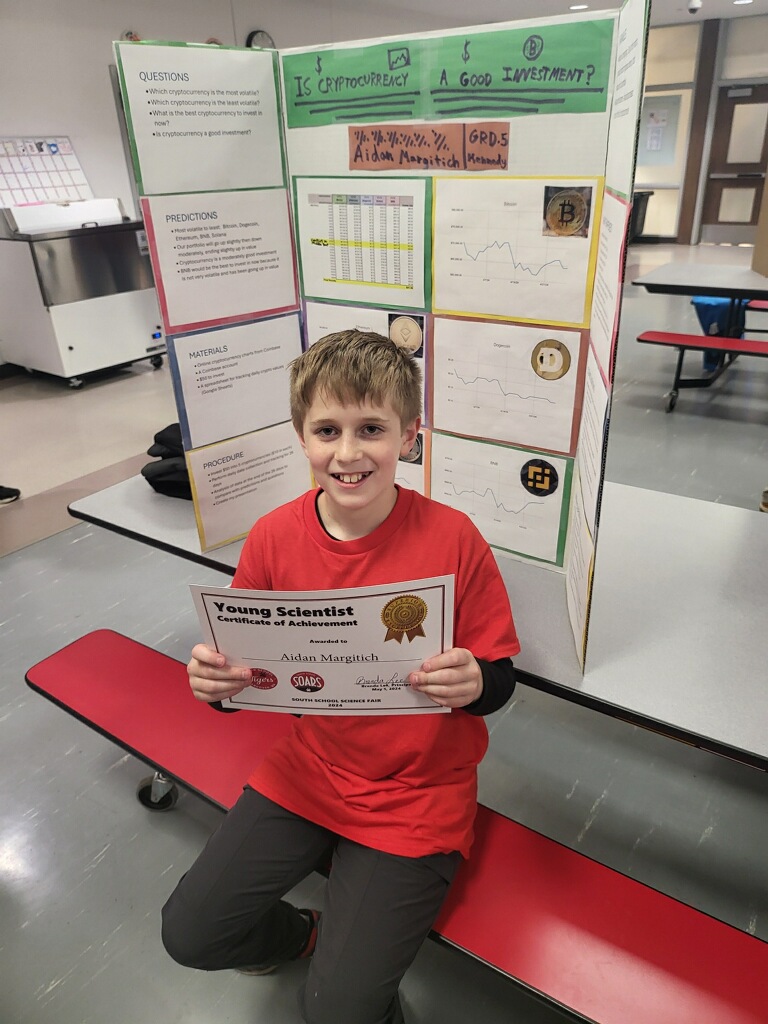
One writing assignment—a whole family’s worth of rabbit holes.
For the gaming books, some of my research involved playing video games alongside my kids. There are worse ways to spend time together than having your children help you with your homework. “Yes, this is research” became an entirely legitimate thing to say while holding a controller!
Then comes the trickier part: figuring out how to explain what I’ve learned. For Cryptocurrency, that meant approximately 1,500 words, including sidebars. A fascinating fact does not automatically earn a place in the manuscript. Sometimes it has to sit outside with the other fascinating facts, while you make room for an explanation the young reader actually needs.
My assignments have also included ATOS readability targets—specific reading-level ranges based on factors such as vocabulary and sentence length. Meeting those targets means making my explanations accessible for kids without sacrificing the accuracy. Some sentences need trimming. Others need untangling. Occasionally, a paragraph needs to become three.
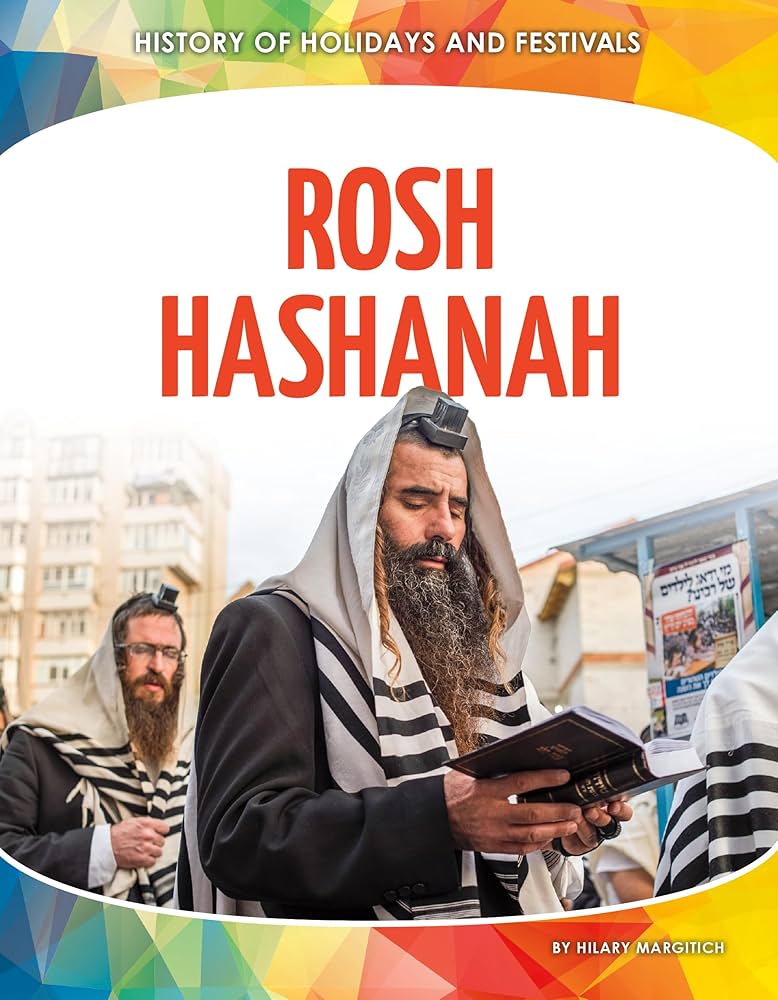
For Rosh Hashanah, ABDO gave me the opportunity to work with subject matter expert (and credited book contributor) Samuel J. Kessler, PhD, a scholar of Jewish history and religious thought. I appreciated all of his insights and expertise, as I approached the assignment with a great deal of care and respect for the living tradition I was researching. It was a beautiful and life-changing experience for me.
I find that the more I learn on a particular topic, the better my questions become. And the more grateful I am for people who can help answer them.
4. “Edits due next week” means next week!
These projects have moved from first draft through final revisions within a couple of months. A week to turn around edits is not unusual in my experience. And for nonfiction, that can mean much more than rearranging words.
An editorial question might send me back to verify a date (ancient history ones are especially tricky), check a source, or rethink an explanation. A small change can require a surprising amount of investigation. This is when organized research notes become precious. Wikipedia isn’t an acceptable source for my publishers (or me, for that matter), and “I read it somewhere” becomes less charming with each deadline approaching.
Meanwhile, the glossary still needs attention. The glossary always needs attention!
5. These assignments have taught me things no craft book could.
I’ve been writing for children for almost six years now: studying the craft, participating in critique groups, and writing and revising my own manuscripts. Working on these books has added practical experience with publishing editors, detailed assignments, specific age-level audiences, and real production schedules. It has helped me become a more confident researcher, writer, and reviser.
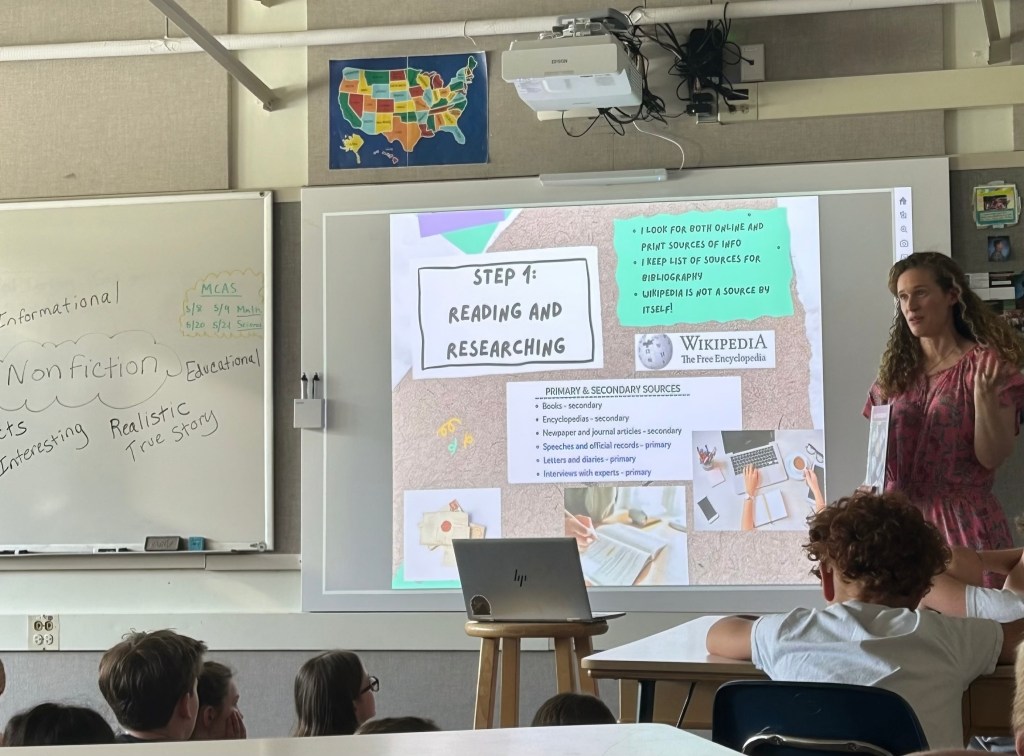
Last year, I even took them into local elementary school classrooms to give author presentations and workshops on researching and writing nonfiction. After spending so much time thinking about the children who might read them, I got to meet some of these readers and share how the books came together. And this time, I was the one giving out the writing assignments!
Scholastic’s Kids & Family Reading Report (yes, I’m a research nerd—let me share some with you) found that 63% of children get most of their reading books from their library or classroom. So, I love that these books are reaching kids through those channels. I’ve spotted my own titles in library catalogs from Washington, D.C. to California, which is pretty amazing to think about, when I remember how these very books started at my home writing desk!
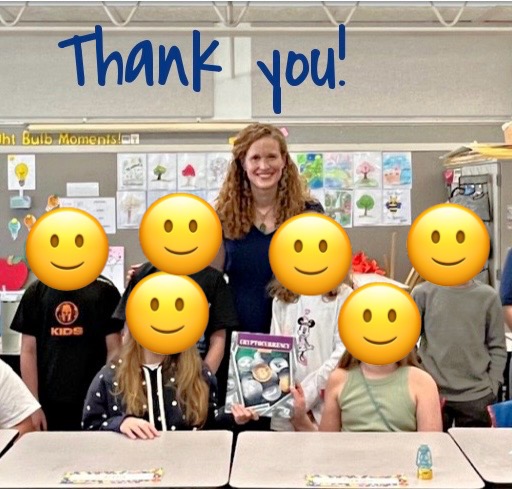
With two narrative nonfiction picture books of my own coming out with Charlesbridge in 2029, I’m grateful to have these experiences in my author toolkit. I’m also extremely proud of the books themselves. I picture a child looking for help with a report, exploring an unfamiliar holiday, or spotting a favorite video game on a library shelf.
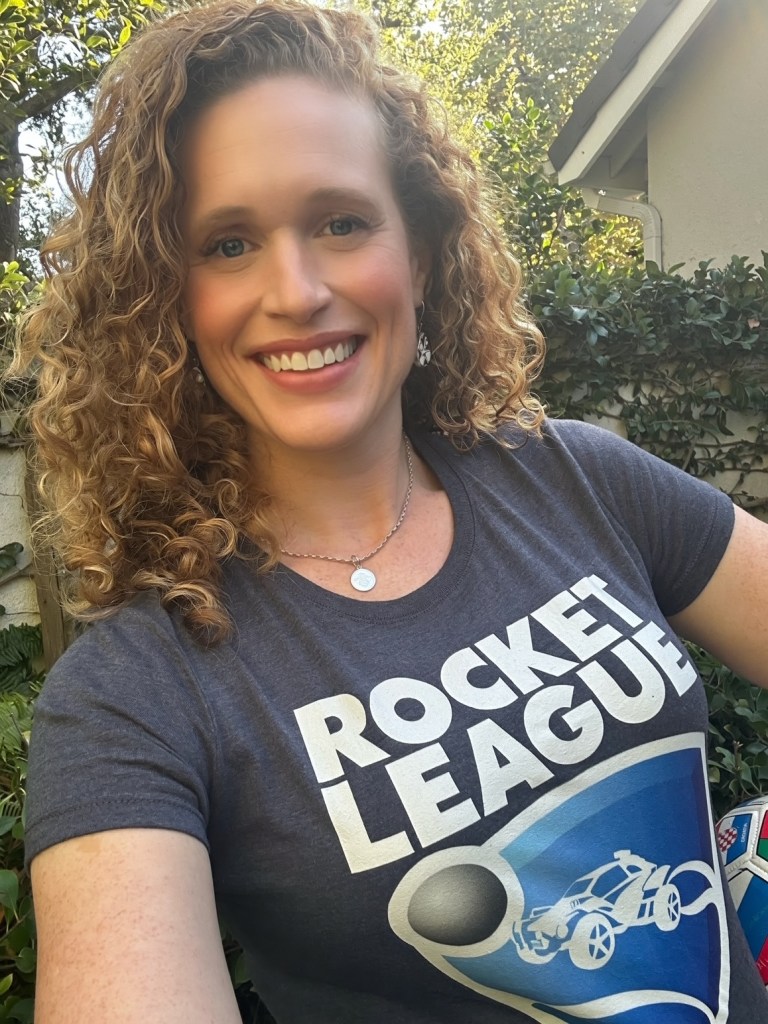
Wait. There’s a book about that? There is! And somewhere behind it is a writer who spent several days researching one paragraph. (Possibly me.)
Let’s talk shop—and a giveaway! Curious about writing for the school and library market? I’m giving away a 20-minute Zoom ask-me-anything session to one lucky reader! We can chat about getting started, researching, working with editors, or whatever you’ve been wondering about this kind of writing.
To enter, leave a comment below. In one week, I’ll randomly select one commenter for the session. If you share this blog article on social media, please mention that in your comment, and you will receive two entries.
Have you tried writing for this market, or is there something you’d love to know? I’d love to hear from you


Congrats Hilary! The educational market and paid for hire writing has always fascinated me. I do like how you truly delve into each subject.
LikeLike
Thanks, Hilary. I think I’ll read your cryptocurrency book. Maybe then I’ll understand it better. Be well,
LikeLike
Hilary, writing for the education market frequently returns to my mind. I’d love to chat.
LikeLike
Congrats on your success! Can’t wait to read your cryptocurrency book.
LikeLike