
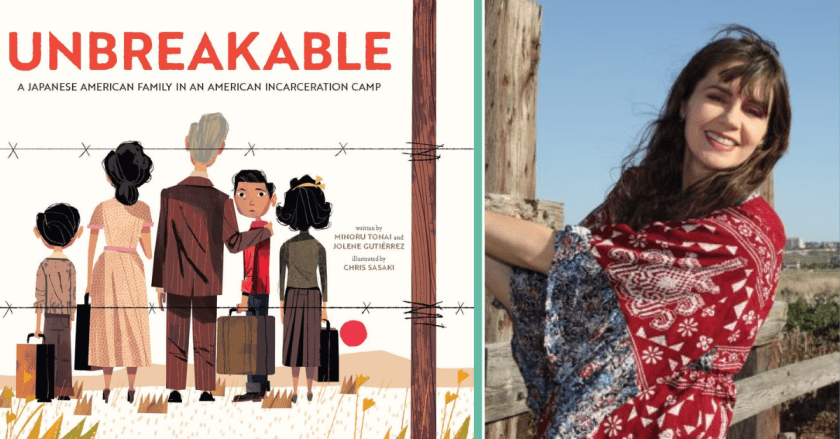
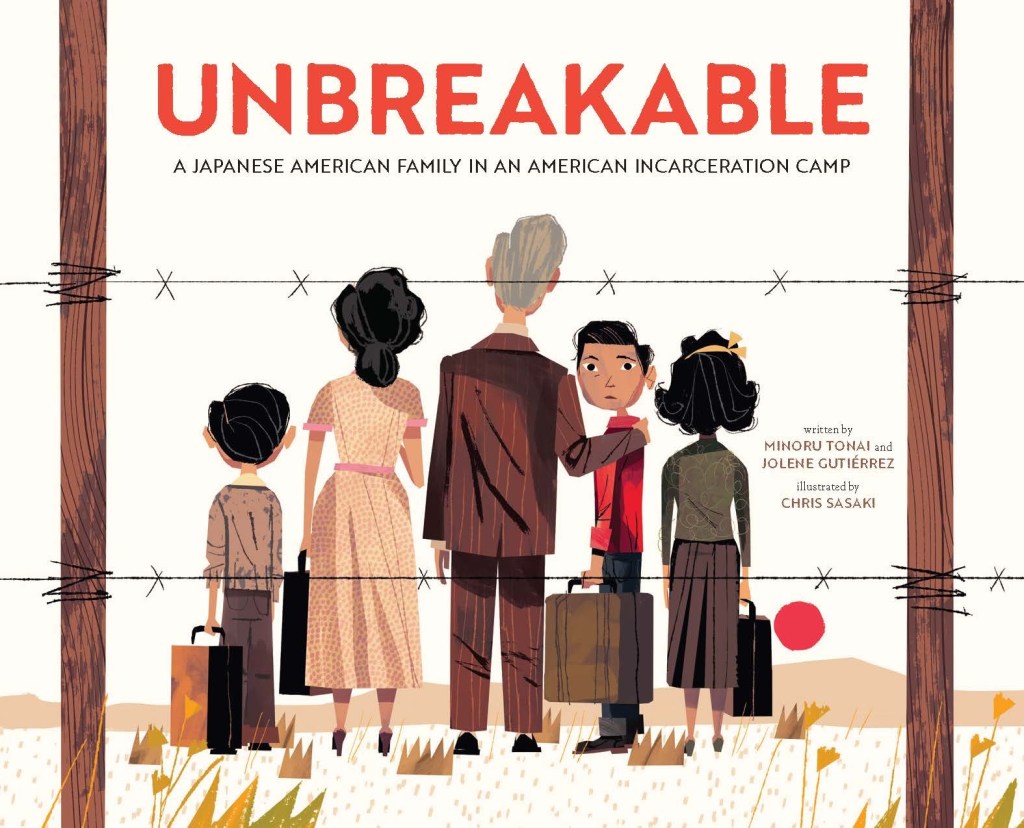
Storytelling unites generations, preserves culture, and shares the human experience. It can connect us to the past in the hope of a better future. This is the kind of powerful storytelling found in Unbreakable: A Japanese American Family in an American Incarceration Camp written by Minoru Tonai and Jolene Gutiérrez, illustrated by Chris Sasaki. In Unbreakable we learn of how Minorou and his family were sent to an American incarceration camp during World War II, along with over a hundred thousand Americans, simply for being of Japanese descent. We read of the terrible conditions. We feel the fear of being separated from a loved one. And we end with the hope that no one will have to go through this again.
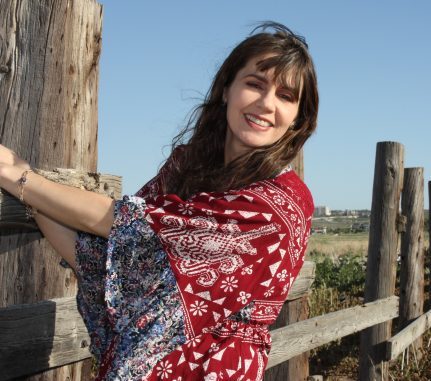
In the back matter, we learn that Minoru Tonai passed away in 2023 after years of educating others on this time in US history. Unbreakable serves as an important piece of his legacy in teaching Americans to do better. Today, I have the pleasure of interviewing Jolene Gutiérrez on her role in bringing Minoru Tonai’s experience to readers.
Jolene Gutiérrez grew up on a farm in northeastern Colorado, surrounded by animals, plants, and history. Now, she lives with her family and a variety of animals near Denver, where she is an award-winning neurodivergent teacher librarian who has been working with neurodivergent learners since 1995. Jolene writes for young readers and hopes her books will help some readers feel seen and will help others learn and grow in compassion. Her books have been printed in nine countries and eight languages and include the recipient of five starred reviews, Unbreakable: A Japanese American Family in an American Incarceration Camp (co-authored with Minoru Tonai); Mamiachi and Me: My Mami’s Mariachi Band (co-authored with her son Dakota); winner of the 2025 Crystal Kite Award for the Southwest Region, The Ofrenda That We Built (co-authored with her daughter Shaian); and Too Much! An Overwhelming Day. Jolene is represented by agent Kaitlyn Sanchez. Find her online at www.jolenegutierrez.com or on Facebook, Bluesky, Instagram, or Threads @writerjolene.
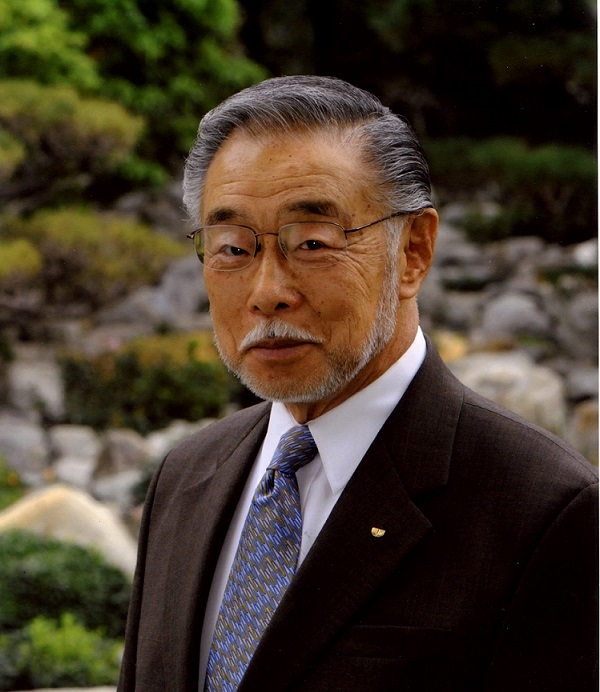
Minoru “Min” Tonai and his family were incarcerated at Amache from 1942 to 1945, and since the Tonai family’s release, Min worked to preserve and tell their story. As the son of a teacher, one of Min’s passions was sharing his stories of Amache with students, particularly the ABC School District in California, the Katari program for college students at the Manzanar UCLA Asian American Studies Program, and, of course, the Amache Preservation students at Granada High School. Min passed away in 2023 but spent his entire life speaking out against the injustices committed against Japanese Americans and Japanese people living in America in the 1940s.
Thank you so much for being part of this interview, Jolene. Unbreakable is an important and powerful picture book. How did you and Minoru Tonai connect to tell this story?
Thank you so much for hosting me and for your kind words about Unbreakable, Monica! I learned about the Amache Incarceration Camp from my grandmother when I was younger, and I was really angry that I didn’t learn that history in school. When I became a teacher librarian 30 years ago, I started teaching my students (and oftentimes, my coworkers) about Amache. In 2016, I decided I wanted to write about the history of Amache and I started reaching out to survivors to do interviews. A friend, Dan Yoshii, asked me if I’d interviewed Minoru Tonai. I hadn’t, so Dan introduced us to each other. I watched hours of Minoru’s video interviews/oral history on densho.org (https://ddr.densho.org/narrators/515/) and then called Min. As we talked, I realized how powerful his story was, and I felt like young readers would connect emotionally with one main character they could walk with, so I asked Min if he’d like to work together to tell his story.
What were the challenges in telling this story within the confines of the picture book format?
Anyone who knew Min knew how many stories he had about Amache—we could’ve filled a much longer book, and at one point, we tried the story as a middle grade manuscript. Min was also a businessman and struggled with the limited word count of a picture book manuscript at first, but as we worked together over the years, we got better at being concise and whittling things down to the essential heart of the story.
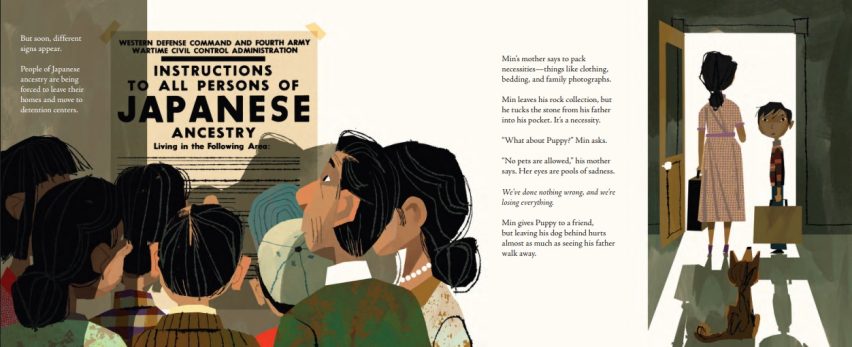
The illustrations by Chris Sasaki are amazing. There is so much emotion captured in the body language of the characters and the page composition. Are there any particular illustrations that took your breath away?
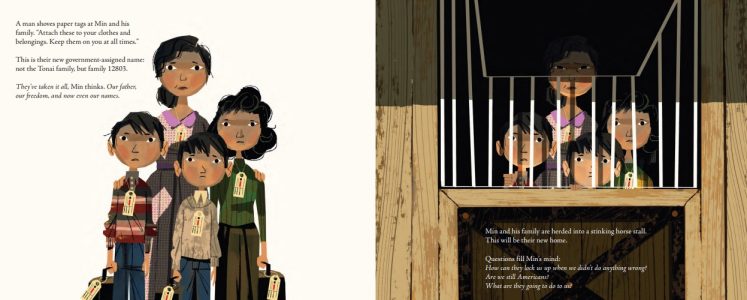
Chris’s illustrations are amazing! Each spread is powerful and makes me feel deep emotions, but the spread with Puppy made me cry and the family being shown with their number tags and in a horse stable is haunting.
The back matter identifies an element of fiction within the story; the singular rock Min keeps from his father. As you were writing, how did you decide on the rocks being the thread that sews the story together?
During the pandemic, Min was part of the closing ceremony for the Amache Virtual Pilgrimage in 2021 (https://www.youtube.com/watch?v=2gzee-wqGlo&t=2s; Min’s session starts around 5:47). I’d attended some of the in-person Amache pilgrimages before COVID and had been watching the sessions during this pilgrimage as well. During the closing session, Min mentioned his father’s suitcase full of rocks. That was my a-ha moment! I knew that Min had collected rocks and that Min and his father had worked on making gardens that included rocks before and after being incarcerated, so hearing about the suitcase full of rocks made that throughline obvious to me. When I talked with Min after the session, I learned that they made a rock garden outside of their barracks at Amache, too, so I talked to Min about adding one other rock—a rock that Min’s Papa gives him before he’s taken away so that Min has a piece of Papa to hold on to while he’s gone. While most of the rocks were a true part of the story, they’re also symbolic of strength, resilience, and beauty.
It takes time from when a story is written to when it is published. At the time of writing this story, did you know of the parallels that could be drawn to the current immigration detention centers?
I don’t think I thought about that right at the beginning of this project, but the parallels became apparent to us as we continued working together. One of Min’s main goals in telling his story orally and now in writing was to document this past and, hopefully, never repeat it. Obviously, it is, but I’m so grateful that Unbreakable exists to continue telling Min’s story now that he’s gone.
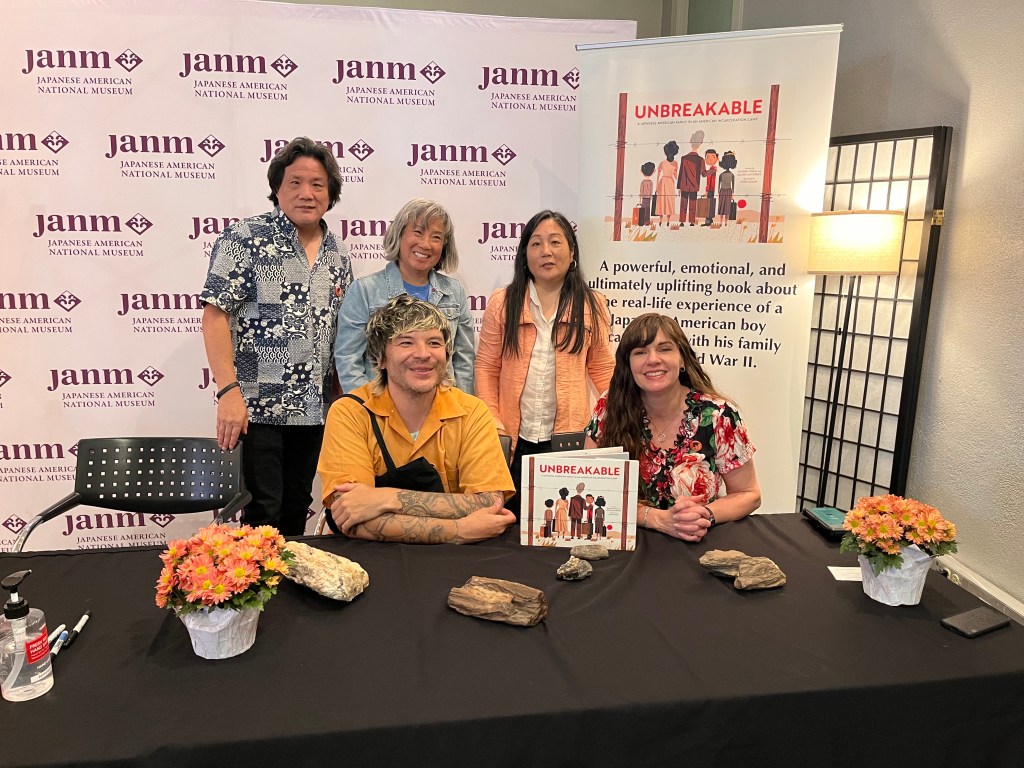
You can learn more about Amache at the National Park Service website, and of course, be sure to pick up your copy of Unbreakable: A Japanese American Family in an American Incarceration Camp.


This looks like a wonderful book! Congratulations, Jolene and to all who were involved in this beautiful book’s existence.
LikeLiked by 2 people
Thank you so much for reading and for your kind words, Marcia! I hope you find a copy at your local public library (or ask them to please add it if they don’t have it). 🙂
LikeLiked by 1 person
Will do! 😀
LikeLiked by 1 person
This interview is remarkable! Thank you so much, Monica and Jolene, for sharing this incredible book with our Writers’ Rumpus audience. Jolene, I can’t wait to read it, and wish you much success.
LikeLiked by 3 people
Thank you so much for reading, Laura, and for your kind words and support!
LikeLike
Thank you so much for interviewing me, Monica, and for helping share our book with other readers! I’m so grateful!
LikeLike
Thank you for coming on the blog!
LikeLiked by 1 person